0%

For global buyers, choosing interactive plush dolls means looking beyond a cute face or a popular feature. A doll may respond to touch, play recorded phrases, move its head, or connect to an app. Each feature can change the product’s price, care needs, and suitability for different age groups. Small details matter.

This guide explores options for 2026 and offers practical points to compare before placing an order. Buyers can assess fabric feel, stitching, sound quality, battery access, cleaning instructions, packaging, and the clarity of product documentation. Where relevant, they should also request age-grading information and testing records for their intended market. Requirements vary, so one supplier’s paperwork may not answer every buyer’s questions.

The best choice depends on the customer, not the longest feature list. A gentle voice may suit one audience; another may prefer simple touch responses and fewer electronic parts. Ask how the doll behaves after repeated play, how replacement parts are handled, and whether instructions are easy to understand. These questions are not glamorous. They can prevent avoidable surprises.

Product descriptions can sound convincing, but samples and clear supplier answers offer stronger evidence. Even then, a sample cannot represent every unit in a large order. Keep that limitation in mind. This overview helps buyers compare interactive plush dolls with care, balance appeal against reliability, and make decisions based on verifiable product details rather than promises alone.
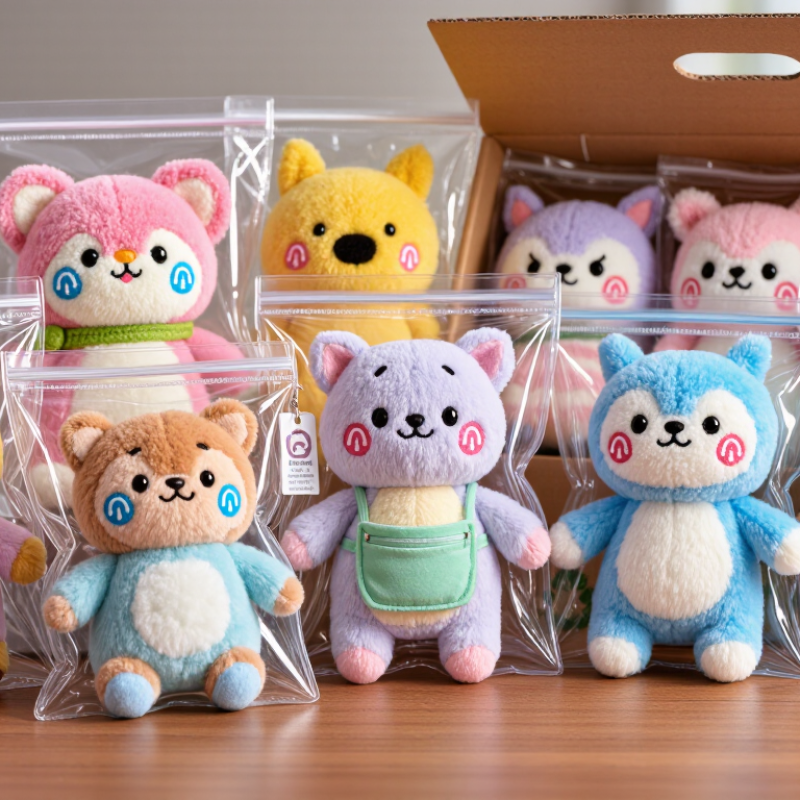
2026 Top Interactive Plush Dolls for Global Buyers

Define Interactive Plush Dolls by Sensors, Audio, Motion, and Connectivity

2026 Top Interactive Plush Dolls for Global Buyers

Define Interactive Plush Dolls by Sensors, Audio, Motion, and Connectivity

An interactive plush doll combines soft materials with electronic responses. Sensors may detect a squeeze, a touch, or a change in position. A hand pressed against the paw might trigger a giggle, while a tilt sensor could prompt a short spoken response. Buyers should check whether reactions feel consistent across repeated tests, not just during a polished demonstration. Small detail. A delayed response can make play feel less natural.

Audio features range from recorded phrases to simple melodies. Listen for clear speech at a comfortable volume, even in a softly furnished room. Motion may include a nod, a moving paw, or a gentle body vibration. Ask how the mechanism is secured and whether movement remains quiet during play. More motion is not always better. It can add weight, noise, and points that need closer durability checks.

Connectivity changes the experience further. Some dolls pair with an app or receive updates, while others work entirely offline. For global buyers, confirm supported languages, charging requirements, and whether core play functions remain available without a network connection. Review data handling details before selecting connected products, especially when children are the intended users. A feature list can sound impressive; hands-on testing may reveal awkward pauses or unclear instructions. That gap deserves attention.

Segment Global Buyers by Age Grade, Play Pattern, and Retail Channel

Global buyers should segment interactive plush dolls by age grade, play pattern, and retail channel—not by feature count alone. For younger children, prioritize soft construction, simple responses, and clear age guidance. Older children may enjoy short conversations, music, or repeatable storytelling. Age bands are only a starting point. Sensory preferences vary.

Tips: Test the toy in the setting where it will be sold. In a gift shop, a quick demonstration and compact packaging may matter most. Online listings need close-up photos, battery details, sample responses, and clear care instructions. Keep sound comfortable. Check seams after repeated handling.

Match play patterns to the channel. Specialty stores can demonstrate touch, sound, and movement in person. E-commerce shoppers need short videos that show what happens after a child presses, hugs, or speaks to the doll. For gift buyers, explain setup time and included accessories plainly. A small retail trial can reveal confusing controls or weak repeat-play appeal before a wider launch. Even careful segmentation can miss local preferences, so review customer feedback and adjust the product story.

Compare Top Plush Types by Features, Materials, Battery Life, and Price

Interactive plush options in 2026 generally fall into three groups: sound-and-touch toys, movement-responsive dolls, and app-connected models. Sound-and-touch versions are usually the simplest, with a speaker, pressure sensor, and polyester filling. Indicative retail prices often sit around US$15–35. Movement-responsive models add sensors or motors and may cost US$35–80. App-connected designs can reach US$60–150, depending on controls and functions. Comfort matters. Softer pile feels inviting, but dense stitching and securely attached features matter for everyday handling.

Materials and power needs change the comparison. Standard polyester plush is common; recycled polyester may be available, but buyers should request documentation rather than rely on a label alone. Replaceable batteries suit occasional play, while rechargeable models avoid frequent battery changes. As a planning guide, rechargeable toys may offer roughly four to ten hours of active use per charge; sound volume and movement can shorten that time. Grand View Research estimated the broader global toys market at US$108.7 billion in 2023. That figure covers many toy types, not interactive plush specifically, so it signals market scale, not category demand. A comparison still has a flaw: manufacturers may test battery life differently. Ask for the test conditions, material composition, and quoted price basis before comparing suppliers.

Check U.S. CPSIA Limits: 100 ppm Lead and 0.1% Restricted Phthalates

2026 Top Interactive Plush Dolls for Global Buyers

Check U.S. CPSIA Limits: 100 ppm Lead and 0.1% Restricted Phthalates

For U.S.-bound interactive plush dolls, material checks matter. The CPSIA generally limits total lead in accessible component parts to 100 ppm. Applicable restricted phthalates must each remain below 0.1% by weight in covered toys and child-care articles. These are material limits, not assurances a supplier can provide without evidence. Interactive features may add wires, switches, printed details, and adhesives. Each material can require separate review. A soft fabric shell may pass while a small plastic button needs closer attention. Use testing from a CPSC-accepted laboratory, and match reports to the product’s actual materials. A dye or supplier change can make an old report less useful. It is easy to overlook.

Tips: Request component-level test reports and confirm they identify the exact doll version. Keep records for fabric, coatings, plastics, and electronic parts. Ask what changed between tested samples and production. Small differences matter.

Before placing a large order, review the test scope and product documentation with your compliance team. Check that report dates and sample descriptions are clear. A tidy certificate is helpful, but it does not replace checking the product itself. Interactive dolls vary; even similar-looking parts may use different materials.

Verify Toy Safety Against ASTM F963-23, EN 71, and IEC 62115

2026 Top Interactive Plush Dolls for Global Buyers

Interactive plush dolls combine soft fabric with motors, sound modules, lights, and battery compartments. Each feature adds a safety point to verify. ASTM F963-23 addresses toy safety requirements in the United States, while EN 71 sets out relevant European toy safety tests. IEC 62115 focuses on electrical toys. Requirements and accepted evidence can vary by destination, so buyers should confirm which rules apply before placing an order.

Review test reports for the exact doll model, not just a similar sample. Check age grading, accessible small parts, seam strength, flammability, and chemical test results. For powered features, inspect battery access, wiring, heat, and abnormal operation. A pull test on the ear or tail can reveal weak stitching. Ask whether fabric, components, or suppliers changed after testing. Small changes matter. Paperwork can look complete and still miss a revised design.

Tips: Request dated reports from a qualified laboratory and match model numbers, materials, and photos against production samples. Test the sound and movement repeatedly. Keep records of questions and answers. One overlooked seam can complicate a launch, and I would rather find it early.

FAQS

What makes a plush doll interactive?

It combines soft materials with electronic responses. Sensors may react to a squeeze, touch, or change in position.

How can I test its sensors?

Press the paw several times and check whether the response stays consistent. Small detail, but delays can make play feel awkward.

What audio and movement features are common?

Audio may include spoken phrases or melodies. Movement can include a nod, paw motion, or gentle vibration. More motion is not always better.

What should I check about sound and moving parts?

Listen for clear speech at a comfortable volume. Ask whether mechanisms are secure and quiet during play. Test it in a quiet room.

How do connected and offline dolls differ?

Connected models may pair with an app or receive updates. Offline models work without a network, but may offer fewer features.

What should global buyers confirm before choosing a connected model?

Check supported languages, charging needs, and which features work offline. Review data-handling details when children may use the doll.

How do common plush types compare in price?

Sound-and-touch models often cost US$15–35. Movement-responsive models may cost US$35–80, while app-connected models can reach US$60–150.

How long can rechargeable models run, and what affects battery life?

A planning estimate is four to ten hours per charge. Louder sound and more movement can shorten use. Testing methods may differ.

What materials and supplier details should I verify?

Polyester plush is common, and recycled options may be available. Request material documentation, battery-test conditions, and the quoted price basis. A label alone is not enough.

Conclusion

Interactive plush dolls combine soft materials with sensors, sound, movement, or connectivity to create responsive play experiences. For global buyers, choosing the right product starts with its intended age grade, typical play pattern, and sales channel. A simple voice-response toy may suit different needs than a plush companion with multiple motion features, so compare functions alongside fabric and filling materials, battery life, and expected price.

Product evaluation should also include age-appropriate design and safety documentation. For the U.S. market, check applicable CPSIA requirements, including the 100 ppm lead limit and the 0.1% limit for restricted phthalates. Review testing and compliance information for relevant toy safety standards, such as ASTM F963-23, EN 71, and IEC 62115. Considering features, durability, operating needs, and safety together helps buyers select interactive plush dolls that fit their customers and retail goals.

Julian

Julian

Julian is a professional marketing specialist with a strong understanding of the company’s products, customers, and market environment. With a background in strategic communication, product education, and content development, he transforms complex product information into clear, practical, and......