Blog
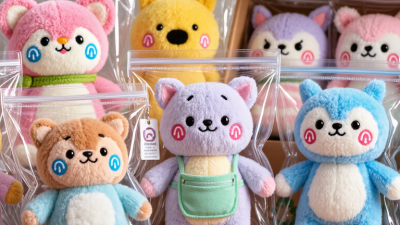
2026 Top Interactive Plush Dolls for Global Buyers
For global buyers, choosing interactive plush dolls means looking beyond a cute face or a popular feature. A doll may respond to touch, play recorded phrases, move its head, or connect to an app. Each feature can change the product’s price, care needs, and suitability for different age groups. Small details matter.
This guide explores options for 2026 and offers practical points to compare before placing an order. Buyers can assess fabric feel, stitching, sound quality, battery access, cleaning instructions, packaging, and the clarity of product documentation. Where relevant, they should also request age-grading information and testing records for their intended market. Requirements vary, so one supplier’s paperwork may not answer every buyer’s questions.
The best choice depends on the customer, not the longest feature list. A gentle voice may suit one audience; another may prefer simple touch responses and fewer electronic parts. Ask how the doll behaves after repeated play, how replacement parts are handled, and whether instructions are easy to understand. These questions are not glamorous. They can prevent avoidable surprises.
Product descriptions can sound convincing, but samples and clear supplier answers offer stronger evidence. Even then, a sample cannot represent every unit in a large order. Keep that limitation in mind. This overview helps buyers compare interactive plush dolls with care, balance appeal against reliability, and make decisions based on verifiable product details rather than promises alone.
Read more »
 By:Julian
- November 25, 2026
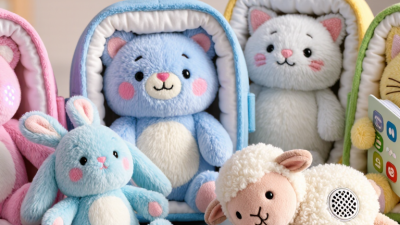
What Are the Top Types of Smart Plush Dolls?
Smart plush dolls combine the familiar feel of a soft toy with interactive features such as recorded responses, touch sensors, lights, or app connections. The best choice depends on what a child enjoys and how the doll will be used. A bedtime companion, for example, may need different features from a toy designed for stories or learning. Small details matter: a washable cover, clear volume controls, and simple buttons can shape everyday use.
This guide explores the main types of smart plush dolls, including voice-responsive companions, educational and storytelling toys, sensory or soothing plushies, and app-connected models. Some respond to a child’s words, while others play set phrases when squeezed or touched. Features vary widely between products. A “smart” label alone says little.
The categories are useful, but not tidy. Many dolls combine several functions, and product descriptions may not explain how well each feature works in real settings. Look for specific details about age guidance, battery needs, connectivity, materials, and cleaning instructions. Check the manufacturer’s current information before buying, since designs and features can change. Comfort matters too. A toy with many functions may still feel distracting, bulky, or difficult to operate. The goal is not to find the most advanced doll, but one that suits the child, the household, and the moments it is meant to support.
Read more »
By:Julian
- November 20, 2026
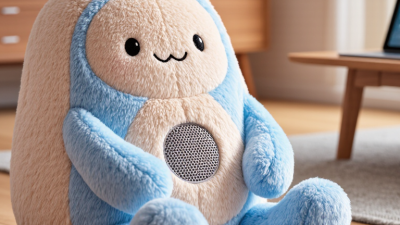
How to Source AI Plush Dolls in 2026?
Sourcing AI plush dolls in 2026 means balancing a soft, appealing toy with technology that works reliably. Buyers need to examine more than sample photos. They should test voice recognition in a noisy room, check stitching around the face and limbs, and confirm how the doll handles charging, updates, and personal data. Small details matter. A loose seam or awkward pause can quickly undermine trust.
AI expert Andrew Ng has described artificial intelligence as “the new electricity.” His comparison offers useful context, though it is not specific to plush toys: AI can become part of everyday products, but its value depends on thoughtful implementation. For sourcing teams, that means asking suppliers for clear component specifications, repeatable quality checks, and realistic demonstrations—not just polished videos. It also means checking whether the doll’s responses suit its intended age group and whether its functions can be explained plainly to caregivers. A prototype may charm everyone at a trade show, yet struggle after hours of repeated use. That gap deserves attention.
This guide outlines how to evaluate suppliers, compare materials and interactive features, review production samples, and plan quality control for 2026. It also considers practical trade-offs, including cost, repairability, and product support. Not every feature earns its place. The strongest sourcing decision may be the less flashy one: a dependable AI plush doll that feels good in a child’s hands and behaves consistently at home.
Read more »
 By:Ethan
- November 16, 2026
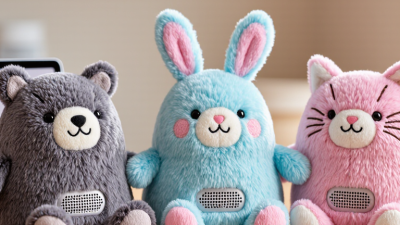
How to Source AI Companion Plush Toys for Your Business
AI companion plush toys are moving from novelty shelves into a broader conversation about play, comfort, and connected products. The opportunity is real, but market figures need careful reading. Circana reported that global toy sales grew 7% in 2024. Grand View Research valued the global artificial intelligence market at about $279.2 billion that year and forecast strong growth through 2030. These figures describe different markets. They do not prove demand for AI-enabled plush toys specifically.
For business buyers, sourcing means assessing more than a soft exterior and a voice demo. Ask suppliers for material specifications, battery details, interaction samples, and documented quality checks. Test whether the toy understands a child’s quiet voice in a busy room. Check how it handles a dead battery, a lost connection, or a question it cannot answer. Small details matter. A scratchy seam can undo the appeal of an otherwise clever product.
Also review applicable toy safety, privacy, labeling, and radio requirements for each destination market. Standards and obligations vary, so verify them with qualified testing and compliance partners. Request current test reports, confirm which factory and product they cover, and arrange independent inspections when appropriate. A polished sample is not proof of consistent production. That point is easy to miss. No supplier can remove every sourcing risk, and AI features can create new ones. This guide explains how to compare manufacturers, validate product claims, and build a sourcing process that balances commercial potential with careful review.
Read more »
By:Julian
- November 10, 2026
What Are the Top Types of Talking Stuffed Animals in 2026?
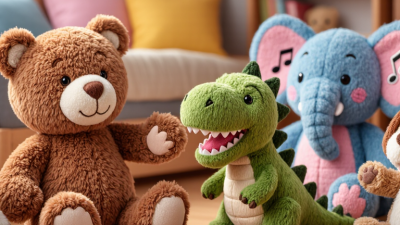
In 2026, talking stuffed animals are more than toys that repeat a phrase. Some sing, tell stories, answer simple prompts, or respond when a child squeezes a paw. Others keep things simple: a soft bear, a clear voice, and one familiar bedtime line. Small differences matter.
The market is broad, but public reports rarely isolate talking plush toys as a separate category. Circana’s 2024 review reported that U.S. toy sales fell 8% in 2023, a reminder that popularity and lasting value are not the same thing. The Toy Association’s annual trend reporting also tracks interests such as interactive play and toys that support emotional connection. These broader signals help frame the choices, though they cannot tell us which talking animal every child will love.
Play researcher Dr. Stuart Brown puts the value of play plainly: “The opposite of play is not work—it’s depression.” His observation is not a product ranking, and it should not be treated as one. Still, it helps explain why a comforting voice or a playful response may matter beyond novelty. Not every feature earns its place. A parent may prefer a quieter toy with simple controls; a child may want a chatty dinosaur that repeats the same joke all afternoon. This guide compares the leading types of talking stuffed animals in 2026, including story-telling companions, interactive pets, singing plush toys, and customizable voice-response models. It also considers sound quality, ease of use, age suitability, and how well each toy fits real routines.
Read more »
By:Julian
- November 5, 2026
China Best Smart Stuffed Animals Manufacturers?
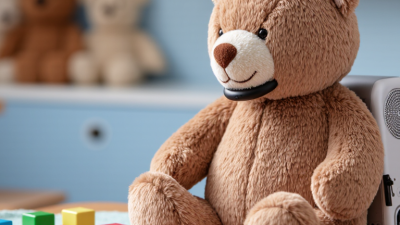
China’s smart stuffed animals market brings together soft toy design, voice interaction, sensors, and connected software. For buyers, the challenge is finding manufacturers that can balance comforting materials with dependable technology. A plush bear may look gentle on a product page, yet its microphone, speaker, battery, and stitching determine how it performs in daily use.
MIT professor Sherry Turkle offers a useful caution: “We expect more from technology and less from each other.” Her observation is not specifically about toys, but it matters when evaluating products designed to respond to children. A responsive toy should support play, not promise a substitute for human care. Details count. Ask manufacturers about material testing, data handling, battery safety, language support, and repair options. Request working samples, not just polished videos. Check whether answers remain clear in a noisy room and whether seams hold after repeated play. Small tests reveal a lot.
This guide examines how to compare China-based manufacturers of smart stuffed animals, from product development and customization to quality control and after-sales support. It does not treat every supplier as equally capable; capabilities vary, and claims need verification. A gap remains: online listings rarely show how products age after months of use. That deserves more attention.
Read more »
By:Ethan
- October 31, 2026
2026 Top Interactive Stuffed Animals for Global Buyers
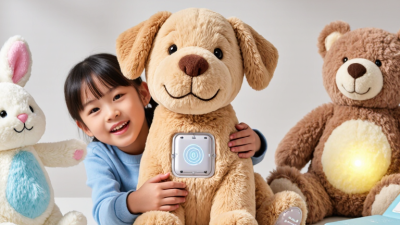
In 2026, interactive stuffed animals are becoming practical products for retailers, gift companies, and family-focused brands. They combine soft fabrics with touch sensors, gentle sounds, movement, or simple learning features. A child may hug a plush puppy and hear a quiet response. A bedtime bear may glow softly beside a pillow. These small details influence comfort, repeat purchases, and customer reviews.
Global buyers need more than attractive samples. This guide compares product design, material quality, battery access, washable components, packaging, and supplier communication. It also considers age grading, electrical safety, data privacy, and market-specific compliance requirements. Rules differ across regions, so buyers should verify current documents with qualified testing bodies. Supplier claims are useful, but independent reports are stronger evidence. Ask for material declarations, test results, production photos, and clear warranty terms.
Small details matter.
A loose seam, sharp battery cover, or confusing instruction sheet can damage trust quickly. Experienced sourcing teams should test samples repeatedly, not just inspect one perfect unit. Customer preferences also vary. Some markets prefer realistic animal sounds, while others value educational interaction or quiet operation. Not every feature improves the product. Sometimes, a simpler plush toy feels safer and sells better. This overview highlights promising choices while recognizing that trends change, factories make mistakes, and buyer feedback remains essential.
Read more »
By:Julian
- October 26, 2026
What Are the 2026 Top AI Smart Plush Toys?
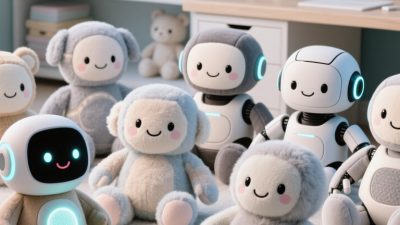
What are the 2026 top AI smart plush toys? That question deserves more than a colorful ranking. These toys combine soft fabrics, voice interaction, sensors, and adaptive software. A child may hug one, ask a simple question, and receive a changing response within seconds. The experience can feel magical. It can also feel inconsistent.
This guide examines AI smart plush toys through practical, child-focused standards. We consider conversation quality, age suitability, emotional design, battery behavior, washable materials, and parental controls. Privacy matters too. A toy that listens should explain how recordings are handled. Clear settings build trust. Strong products should also respond gently when children repeat questions or make mistakes. That is where real testing becomes important. Screenshots and marketing claims cannot show everything.
We will compare leading 2026 models using available product information, hands-on observations, and manufacturer documentation. The best choice may not be the most advanced toy. It could be the one with calmer responses, stronger stitching, and simpler controls. Small details matter. Can a child find the charging port? Does the voice work in a noisy bedroom? Does the plush remain comfortable after repeated use?
Some conclusions may remain uncertain. New software updates can change performance after publication. A toy may impress adults but overwhelm younger children. That deserves honest discussion. This overview aims to help families evaluate value, safety, reliability, and everyday enjoyment before buying. Technology should support play, not replace attention, imagination, or human connection.
Read more »
By:Ethan
- October 21, 2026
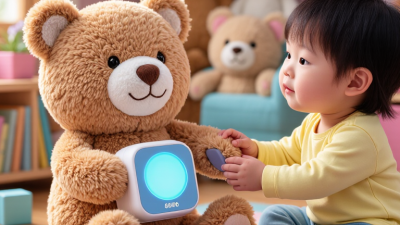
Why Are AI Talking Plush Toys Popular Worldwide?
AI talking plush toys are moving from novelty shelves into everyday family spaces. Their appeal is easy to picture: a child squeezes a soft bear, asks a question, and hears a responsive voice. The interaction feels warmer than a screen. It also feels personal, even when the response comes from programmed or cloud-based systems.
Industry data supports this growing interest. Circana’s Global State of the Toy Industry report recorded approximately $108.7 billion in worldwide toy sales in 2023, despite a year-on-year decline after exceptional pandemic growth. Meanwhile, Grand View Research projects strong expansion in the global smart toys market through 2030. These figures do not measure AI talking plush toys alone. However, they show a wider shift toward connected, interactive play. That distinction matters.
Richard Gottlieb, chief executive of Global Toy Experts, has said, “The toy industry is not in the business of making toys. It is in the business of making children happy.” His observation helps explain the category’s emotional power. A plush companion can combine tactile comfort, responsive dialogue, storytelling, and routine-based play. Parents may also value hands-free entertainment during travel, bedtime preparation, or quiet indoor hours.
Still, popularity does not prove developmental value. Some products may offer repetitive answers, unclear privacy practices, or disappointing voice recognition. Children can lose interest quickly. The technology is still uneven. A credible analysis must therefore examine more than sales momentum. It should consider design quality, age suitability, parental controls, data handling, and whether the toy creates meaningful play rather than simply adding noise.
Read more »
By:Ethan
- October 21, 2026
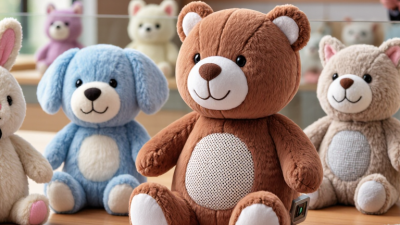
How to Source AI Stuffed Animal Toys for Wholesale?
Sourcing AI stuffed animal toys for wholesale requires more than attractive designs and competitive factory prices. Buyers must evaluate product safety, artificial intelligence functions, materials, software reliability, and long-term supplier support. A soft plush bear may look harmless, yet it can contain batteries, microphones, speakers, charging ports, and connected applications. Each component needs careful verification before a purchase order is approved.
Market data shows why this category deserves disciplined research. Circana reported that U.S. toy industry sales declined by 8% in 2023, while average selling prices increased by 2%. This pressure makes accurate costing and dependable quality especially important for wholesalers. Meanwhile, The Toy Association’s industry trend reporting has highlighted technology-enhanced play, personalization, and interactive experiences as continuing areas of consumer interest. These trends create opportunity, but demand alone does not guarantee repeat sales.
A reliable sourcing process should compare factory experience, sample quality, minimum order quantities, customization limits, testing documentation, and after-sales service. Ask for physical samples. Test speech recognition in a noisy showroom. Check whether the plush fabric sheds after repeated handling. Review battery performance, charging protection, age grading, and instructions written for real parents, not only engineers. Connected products also require responsible treatment of children’s data and transparent privacy practices.
Some wholesale guides focus too heavily on unit price. That is a mistake. Freight, packaging, firmware updates, defective units, and customer support can quietly change the final margin. Supplier claims should be checked through independent testing and production inspections. Even experienced buyers can overlook one detail. This guide explains how to source AI stuffed animal toys with stronger evidence, clearer questions, and fewer costly assumptions.
Read more »
By:Ethan
- October 21, 2026