Featured Interactive AI Plush Series
Explore our benchmark smart plush solutions equipped with multilingual LLM dialogue firmware, cloud latency pipelines, and child-safe micro-electronic modules.
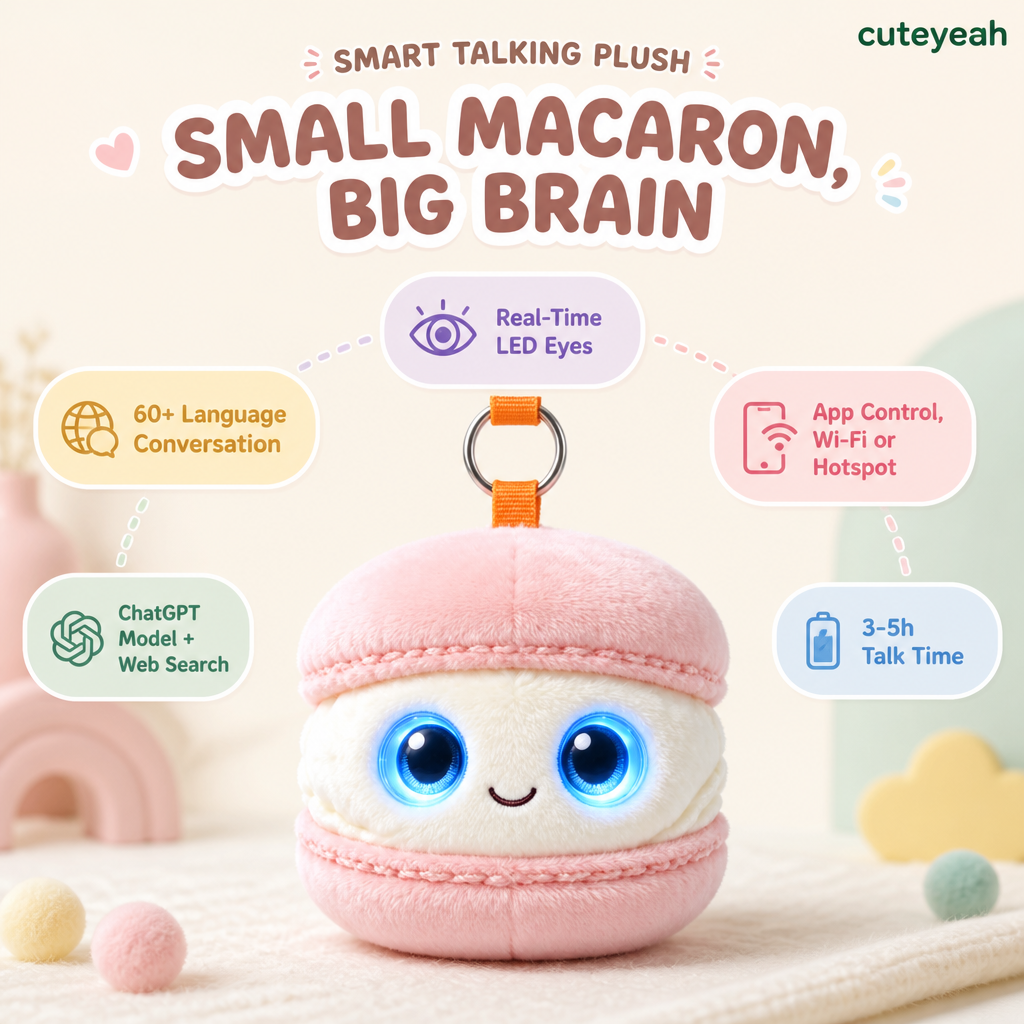
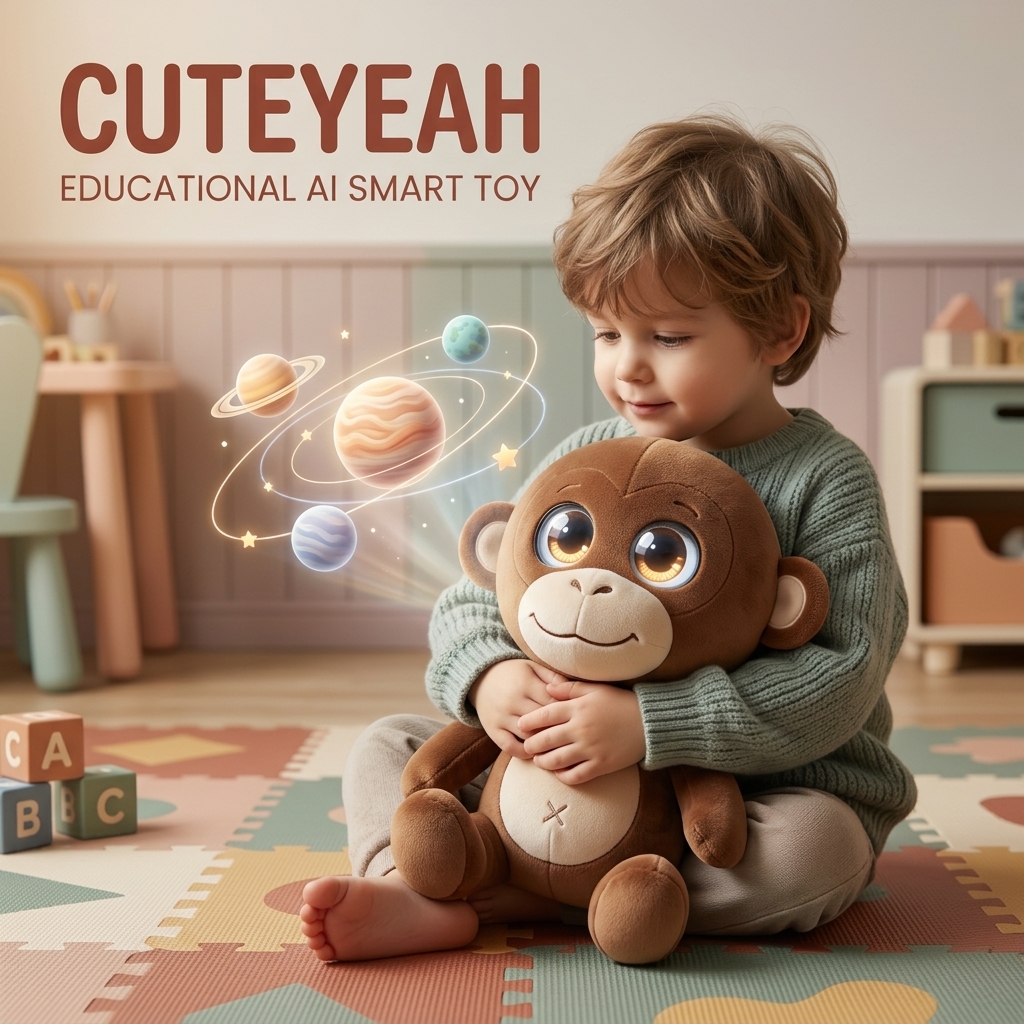
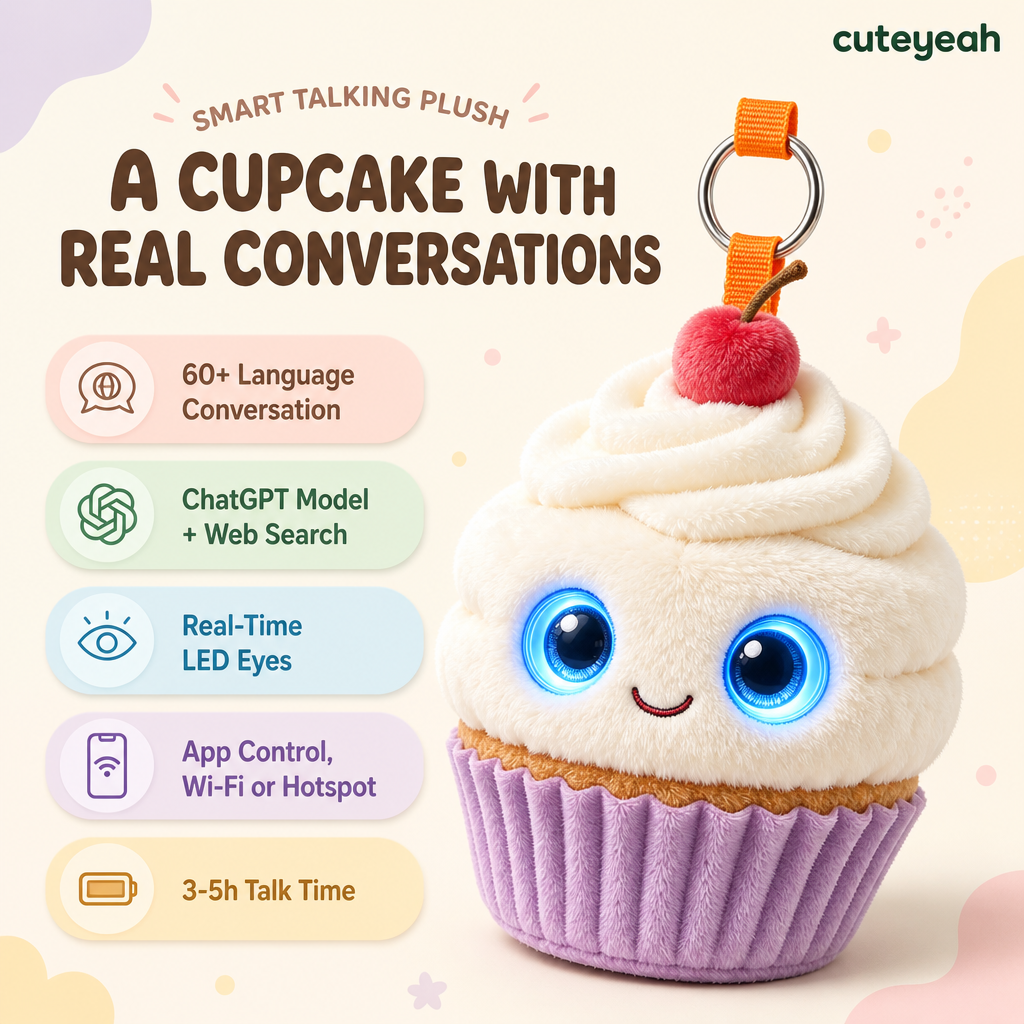
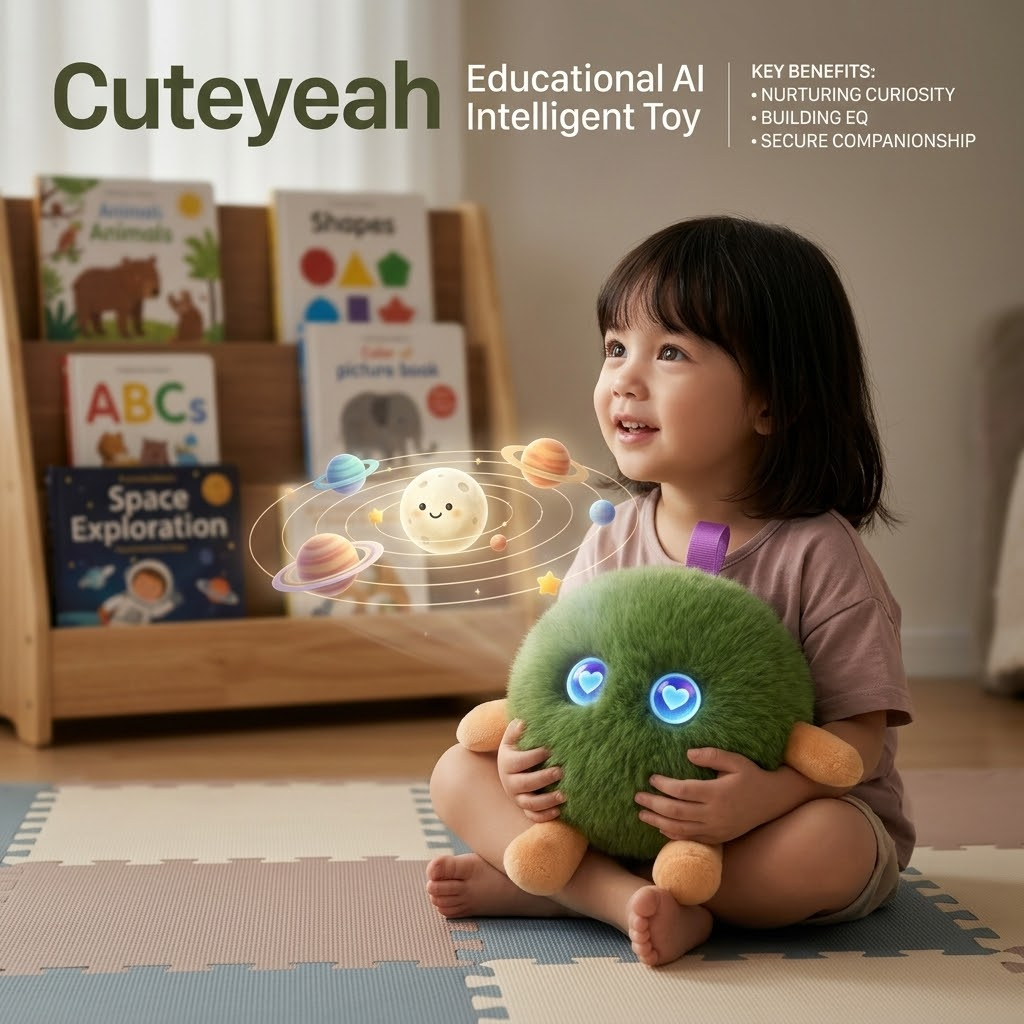
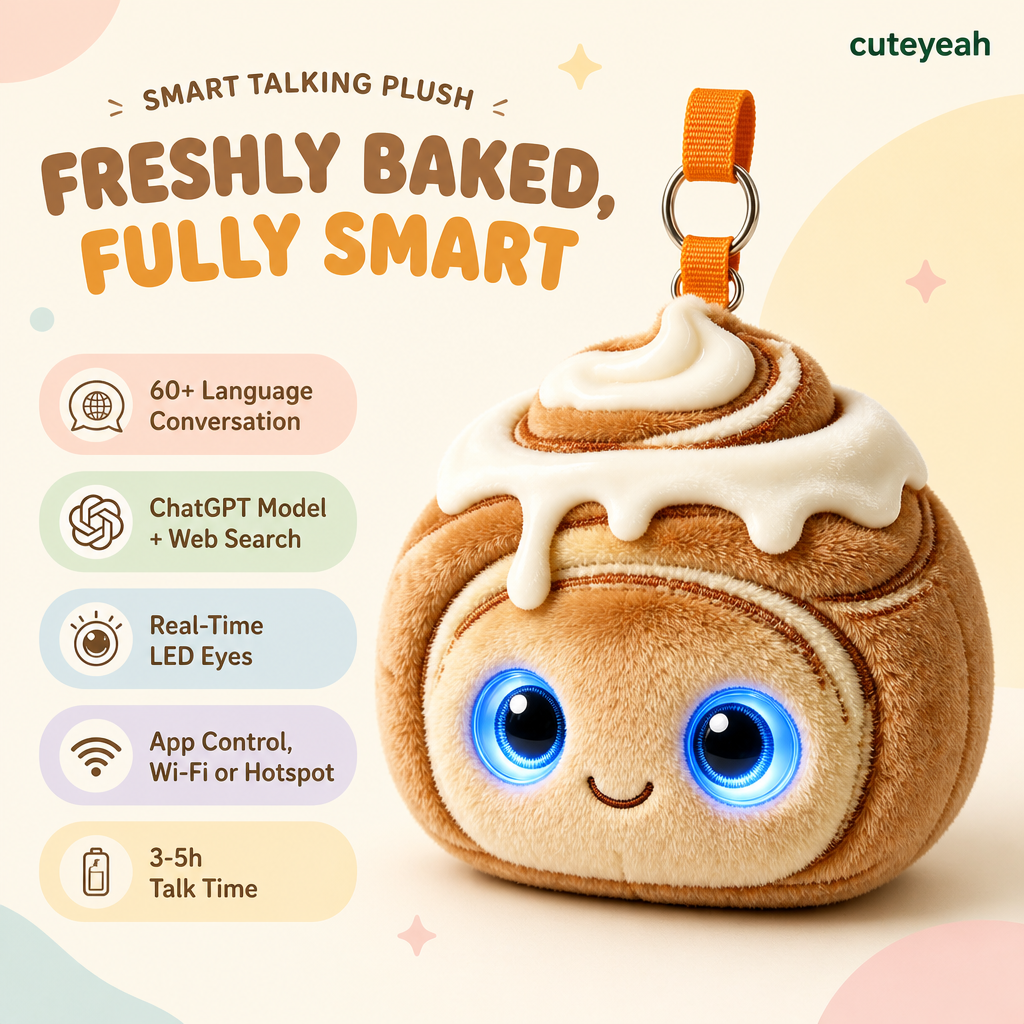
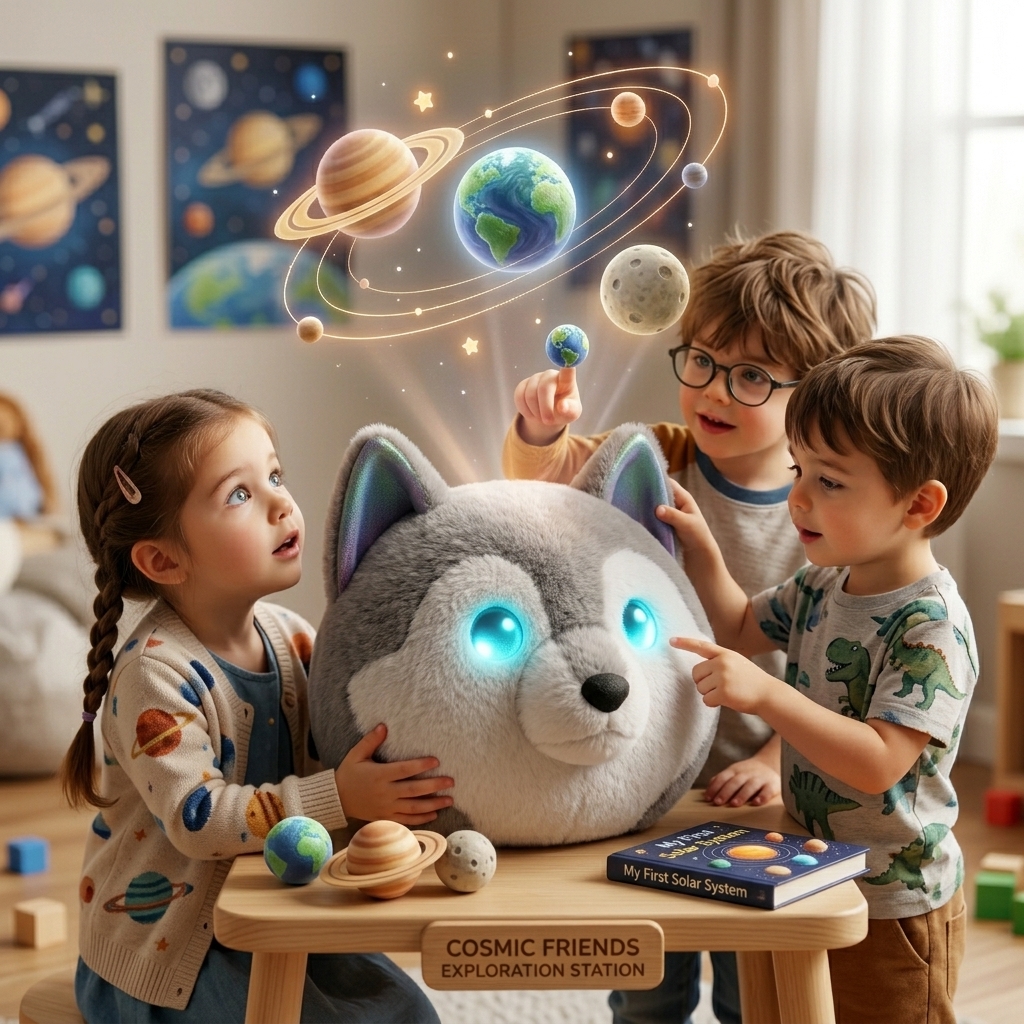
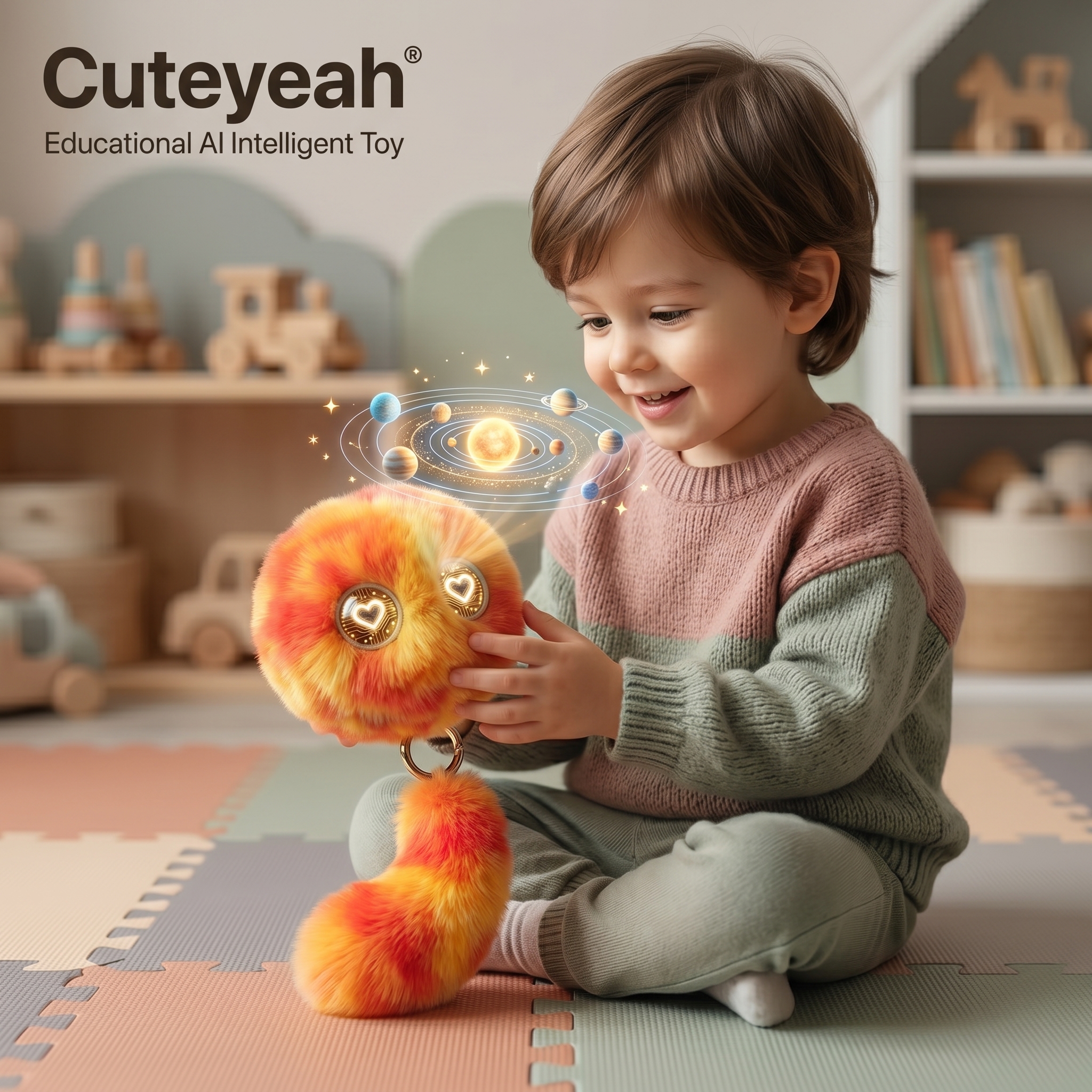
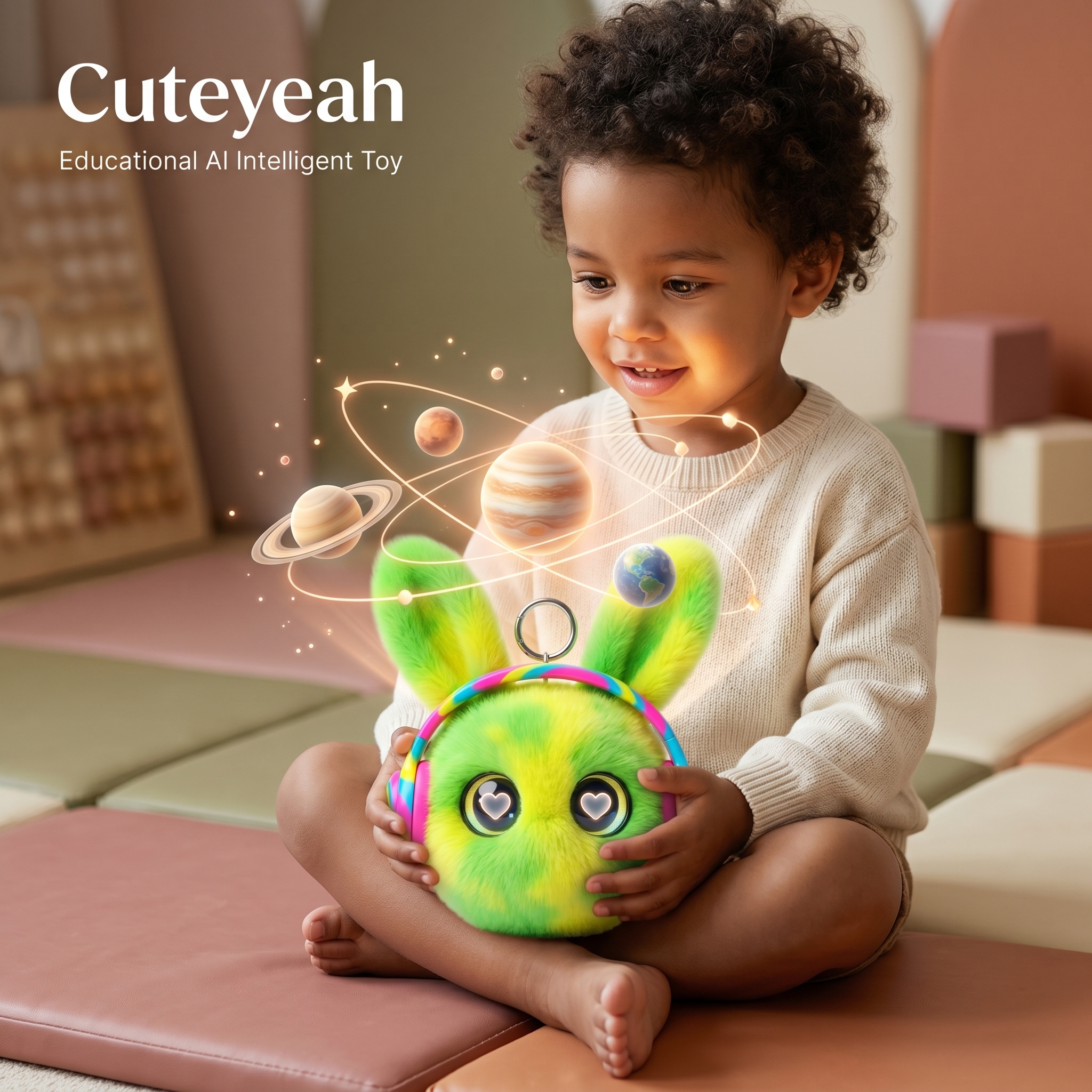
Engineering The Next-Generation AI Orange Plush Toy
How leading Chinese smart toy factories converge sensory color psychology, edge-cloud neural networks, and acoustic textile engineering into market-defining plush lines.
Neural Natural Conversation Pipelines
Conventional sound-chip stuffed animals rely on fixed pre-recorded EEPROM chips with rigid 8-bit sound loops. In contrast, modern AI orange plush toys engineered by Sonora-tech integrate ultra-low-power Wi-Fi/4G BLE 5.2 micro-controllers that bridge directly with large language model backends, including custom OpenAI GPT-4o mini, Claude 3.5 Sonnet, and regional proprietary engines.
Through real-time Automatic Speech Recognition (ASR) coupled with low-latency neural Text-to-Speech (TTS), our orange plush toys listen to young learners, retain memory parameters across conversations, and adapt their speaking complexity to the child's developmental age bracket.
Acoustic Baffling & Sensory Orange Fabrics
Embedding speakers, micro-electromechanical systems (MEMS) microphone arrays, and lithium-polymer power cells into soft plush presents complex thermodynamic and acoustic damping challenges. Sound waves traveling through high-density polypropylene cotton stuffing typically suffer high-frequency attenuation.
Our factories deploy custom-molded ABS resonant acoustic chambers with anti-vibration silicone gaskets, paired with specially engineered sunset-orange, apricot, and neon-peach plush fabrics that achieve less than 1.2 dB acoustic loss across the 200 Hz - 8 kHz vocal frequency band while resisting saliva immersion and tensile abrasion.
Child Data Privacy & Guardrail Infrastructure
Global toy importers face rigorous regulatory scrutiny regarding minor privacy under the Children's Online Privacy Protection Act (COPPA), EU General Data Protection Regulation (GDPR-K), and California CCPA. Commercializing an AI companion stuffed toy demands ironclad data architecture.
Sonora-tech implements a privacy-by-design edge gateway: audio captured by the toy is streamed over TLS 1.3 encrypted websockets without permanent local audio recording. Raw voice files are converted to tokenized phoneme vectors, stripped of personally identifiable metadata (PII), and processed with custom parent-governed content filters that prohibit mature themes.
Future Procurement Trends for AI Plush Toys (2025–2030)
Key insights for category buyers, consumer brand licensors, and retail purchasing directors navigating the transition from static toys to intelligent companions.
1. Decoupled Modular Cores & Hygienic Washability
One of the primary historic roadblocks for electric stuffed animals has been cleaning. When parents cannot wash a toddler's favorite toy, customer lifetime value declines and return rates surge. Sourcing trends for 2026 onwards prioritize our modular "Snap-Core" architecture.
The entire intelligent capsule—comprising the PCB, haptic actuator, microphone array, speaker, and battery—can be extracted through a child-safe concealed zipper mechanism. The orange outer fabric shell, whether rabbit, monkey, bear, or food-themed charm, can be submerged in standard 30°C laundry cycles without compromising mechanical seams.
2. Hybrid Edge-Cloud Processing with Offline VAD
Network dead zones and roaming connectivity interruptions degrade interactive play. Next-generation procurement specifications demand localized Voice Activity Detection (VAD) and lightweight wake-word recognition running locally on 32-bit RISC-V microcontrollers.
When offline, the toy seamlessly shifts to cached interactive bedtime routines, acoustic lullabies, and tactile sensor games. Once Wi-Fi or 4G LTE-M reconnects, the LLM cloud pipeline re-engages, ensuring the companion never appears inert or broken to a young user.
3. Vibrant Emotional Palettes & "Dopamine Dressing"
Consumer retail analytics across North America, Japan, and Western Europe demonstrate a dramatic shift toward high-saturation sensory aesthetics. The surge in orange plush toys—ranging from warm terracotta to electric citrus and sunset ombre gradients—reflects childhood psychological research linking warm chromatic spectrums with feelings of safety, alertness, and warmth.
Brands sourcing from China are increasingly demanding custom pantone matching (PMS 151C, PMS 165C), micro-fiber sherpa surfaces, and tactile micro-beans inside extremities to anchor emotional bonding before speech interaction even commences.
4. Intellectual Property (IP) Persona Calibration
Off-the-shelf conversational bots that give encyclopedic, robotic responses are rapidly losing traction in retail channels. Importers now procure custom persona prompt engineering: adjusting pitch, humor, empathy metrics, and conversational pacing to reflect the toy's visual identity.
A spunky orange fox requires a brisk, inquisitive cadence, whereas a cozy cinnamon bun pendant calls for soothing, rhythmic cadence suitable for bedtime routine management. Factory-level firmware configuration allows brands to lock in personality profiles straight from the assembly floor.
5. Full Supply Chain Traceability & ESG Materials
Tier-1 retailers such as Target, Walmart, Harrods, and Hamleys require transparent Bill of Materials (BOM) auditing. Procurement orders are transitioning toward Global Recycled Standard (GRS) certified polyester yarn, non-toxic organic dye compounds, and recycled ocean-bound plastic internal polyfills.
Simultaneously, lithium-ion battery management systems (BMS) with dual overcurrent and thermal protection certified under UN38.3, UL 1642, and IEC 62133 are mandatory baseline criteria to prevent warehouse quarantine and customs hold-ups.
6. Polyglot SKUs for Unified Global Distribution
Managing localized language SKUs used to require separate factory production runs for English, Spanish, German, Mandarin, French, and Japanese. With cloud-routed LLMs supporting 60+ neural languages instantaneously, purchasing managers can now order a single master physical SKU.
The toy's companion application or intelligent automated language detection switches spoken dialogue dynamically based on the child's input, dramatically reducing inventory holding overhead and preventing dead-stock risks across cross-border distribution warehouses.
Why Global Brands Partner with Shenzhen Sonora Technology Co., Ltd.
Shenzhen Sonora Technology Co., Ltd. (Sonora-tech) stands at the intersection of Silicon Valley software capability and Guangdong's world-class plush textile manufacturing ecosystem. While conventional plush factories outsource circuit design, and IoT firms struggle with needle calibration, Sonora-tech runs an end-to-end vertically integrated production operation.
-
✓
Single Accountable Interface: We handle electronic PCB SMT assembly, acoustic tuning, plush pattern drafting, embroidery, sewing, stuffing, cloud endpoint deployment, and compliance testing under one unified project engineering team.
-
✓
Low Latency Global Edge Network: Multi-region cloud servers stationed across North America (East/West US), Europe (Frankfurt), and Asia-Pacific (Tokyo, Singapore) ensure round-trip response times below 850 milliseconds for fluid conversation.
-
✓
Certified Compliance Readiness: Every custom AI stuffed animal is built to surpass CE RED, FCC Part 15, CPC, ASTM F963, and EN 71 safety frameworks, verified by accredited laboratories like SGS and TÜV Rheinland.
-
✓
Rapid Prototyping & Flexible MOQ: From functional 1-piece Golden Sample verification within 7-10 working days to 100,000+ unit high-volume automated production runs with laser fabric cutting and automatic filling.
Comprehensive 6-Stage Sourcing & Manufacturing Workflow
How Sonora-tech controls quality, structural durability, and algorithmic reliability from initial concept blueprint to container dispatch.
Acoustic & Industrial Design
Industrial CAD designers model ergonomic, huggable shapes that naturally accommodate the internal sound capsule. Finite Element Analysis (FEA) simulates drop impacts from 1.5 meters to ensure the internal plastic enclosure prevents any battery puncture or electronic splintering under harsh preschool usage conditions.
Plush Prototyping & Dye Formulation
Master pattern makers craft 2D fabric templates into 3D soft sculptures. Orange fabrics undergo Spectrophotometer color validation to ensure exact batch-to-batch consistency. High-precision laser cutting tables guarantee clean, fray-free edges before skilled machinists execute reinforced safety seams.
Electronic SMT & Firmware Flashing
High-speed surface-mount technology (SMT) lines produce miniaturized PCBs equipped with ESD protection diodes, low-noise pre-amplifiers, and high-efficiency class-D audio amps. Custom firmware with buyer-specified wake words and initial conversational greetings is flashed in automated multi-gang fixtures.
Needle Detection & Physical Testing
100% of finished plush skins and assembled dolls pass through calibrated dual-head metal detection machines capable of detecting broken needle fragments down to 0.8 mm Fe. Tension torque gauges test button eyes, embroidered tags, and seams against a 90 N pull force standard to prevent choking hazards.
Anechoic RF & Acoustic Calibration
Each production batch undergoes sample testing inside mini-anechoic chambers. Technicians measure total harmonic distortion (THD < 3%), sound pressure level limits (strictly capped under 85 dBA at 50 cm per international pediatric hearing safety standards), and RF antenna radiation efficiency.
Global Cloud Provisioning & Packaging
Every plush unit is provisioned with a cryptographic unique device identifier (UUID) that pairs securely with the Sonora cloud network upon first Wi-Fi handshake. Retail packaging is fabricated with FSC-certified cardboard and includes multi-lingual user guides and branded USB-C charging cables.
Frequently Asked Questions for Importers & Toy Brands
Direct insights into engineering specifications, sample turnarounds, custom tooling, and compliance governance.
Our core platform integrates dual-channel DSP noise-suppressing microphones with ultra-low-power Wi-Fi/Bluetooth microcontrollers. When activated by wake word or tactile button press, audio streams through regional low-latency cloud proxies to enterprise LLM backends (OpenAI GPT-4o mini, DeepSeek, or bespoke fine-tuned models). The system applies contextual conversational memory, parent-defined safety guardrails, and neural TTS synthesis in <850 ms, producing warm, natural child-like character speech.
For ready-to-ship catalog models (like our Cuteyeah orange series, sunset ombre charms, or raccoon designs), we support pilot evaluation samples starting from 1 piece. For private-label Track A customization (adding custom logos, bespoke packaging, pre-programmed voice prompts, and specific scarf accessories), our MOQ is 500 units. For full OEM/ODM Track B development (custom plush sculpture, tailored PCB housing mold, bespoke companion app branding), standard production starts at 2,000 units.
All models are engineered to comply with major worldwide standards. For physical toy safety, products carry Children's Product Certificates (CPC) tested under ASTM F963-17 and European EN 71 (Parts 1, 2, and 3). For electronics, our assemblies comply with CE RED (Radio Equipment Directive), FCC Part 15 Class B, RoHS, REACH, and battery shipping protocols UN38.3 and MSDS. Complete third-party test reports from SGS/TÜV are available prior to mass order signing.
We employ a privacy-by-design framework. The toys do not store localized voice recordings. Audio streams are encrypted via TLS 1.3, processed transiently in volatile cloud RAM for speech-to-text conversion, and instantly purged without retaining identifiable biometrics. Parents can review or delete conversational logs through the iOS/Android management application, disable microphones via a physical hardware cut-off switch, and control allowable conversational themes.
Yes. We specialize in modular internal "Capsule Pockets." The smart hardware enclosure is housed inside a reinforced, hidden safety-zipper cavity with a locking zipper pull that requires an adult tool or key to open. Once extracted, the entire fabric shell can be hand-washed or gentle machine-washed, dried, and re-inserted in under two minutes without damaging electronic components.
Latency is the difference between a natural conversational partner and a clumsy novelty. Sonora-tech routes smart plush traffic through edge network gateways located in North America (Ohio & Oregon), Europe (Frankfurt & Dublin), and East Asia (Tokyo & Singapore). This edge orchestration delivers steady round-trip times well under 850 ms across broadband Wi-Fi, 4G LTE-M, and domestic hotspot connections.
Phase 1 (Plush clay modeling & 2D-to-3D pattern cutting): 5-7 working days. Phase 2 (Functional golden sample with programmed conversational core): 10-14 days. Phase 3 (Tooling molds for customized enclosures, if required): 25-30 days. Phase 4 (Mass sewing, automated stuffing, assembly, 100% QA, and packaging): 30-40 days. Repeat reorders can be delivered in 20-25 days using rolling component inventory reserves.
Absolutely. We provide White-Label SDKs and complete iOS and Android application source code ready for your App Store and Google Play publishing. We support various monetization architectures: free-tier lifetime basic conversation, in-app premium tier subscriptions for educational tutoring bundles, or tokenized family membership passes hosted on your AWS or Azure infrastructure.
Launch Your Custom AI Plush Toy Project Today
Partner with China's leading smart toy engineering facility. Receive full Bill of Materials transparency, functional prototype samples in 10 days, and full export compliance certification support.