Featured OEM / ODM Interactive Smart Plush Series
Engineered on Shenzhen Sonora Technology’s validated acoustic-to-cloud hardware stack. Every unit incorporates high-sensitivity omnidirectional microphones, safe low-voltage lithium power architectures, and multi-protocol Wi-Fi/BLE chipsets ready for global markets.
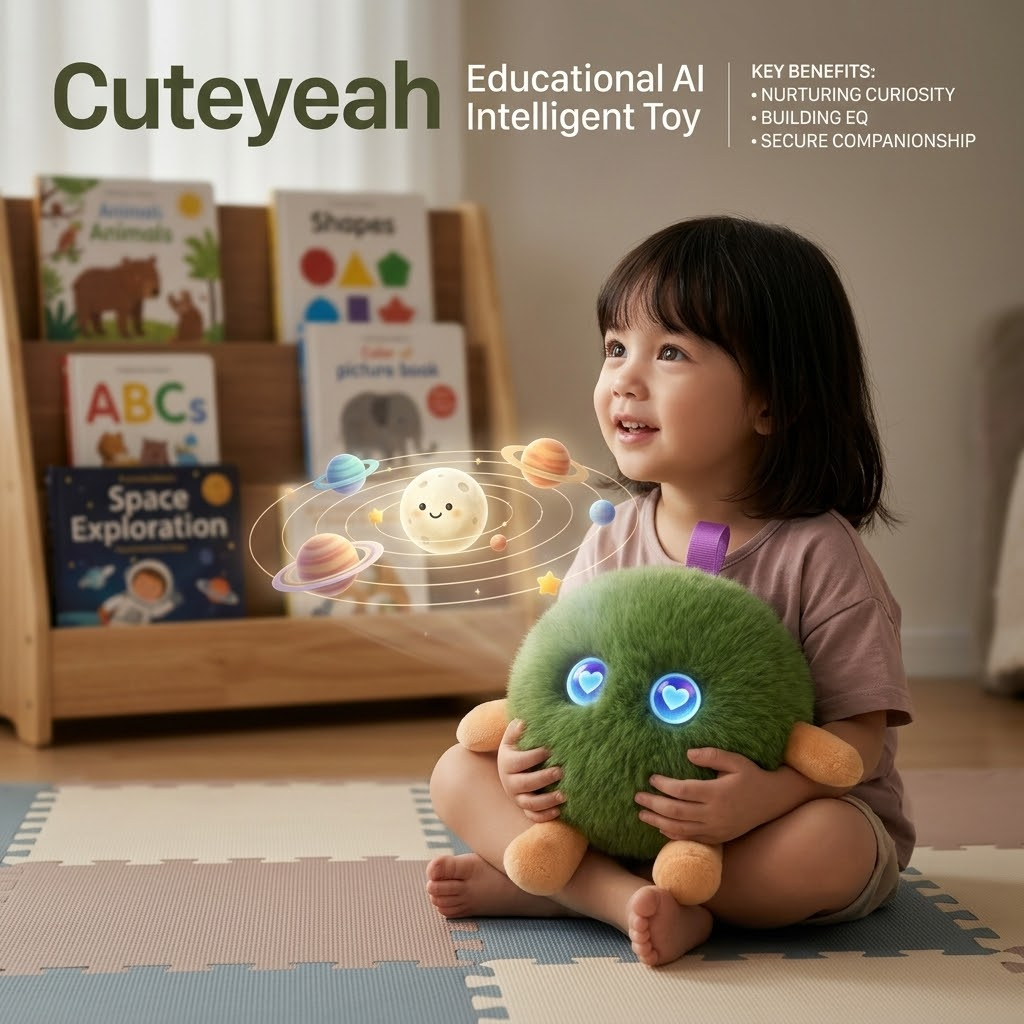
Forest Green Electric Pocket Stuffed Ball App Control Multi-Language AI Smart Companion USB-C
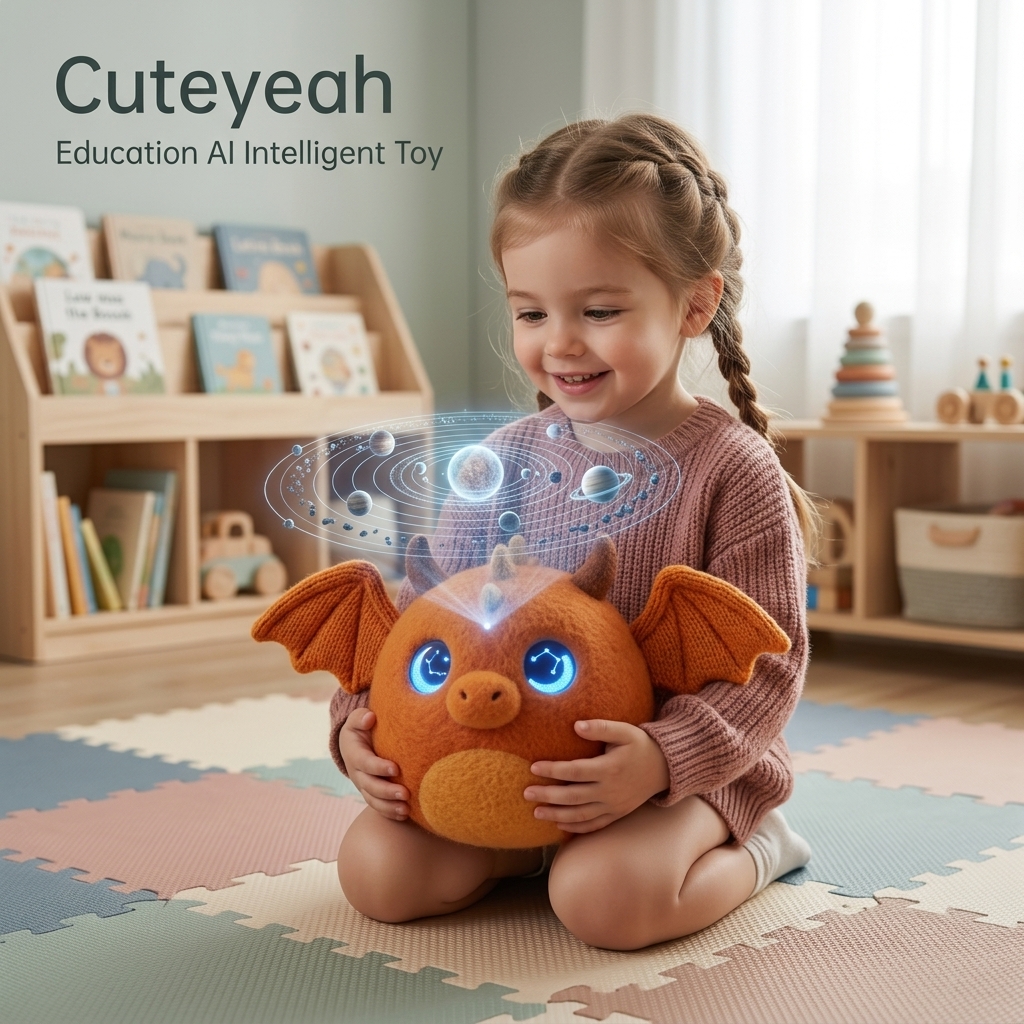
Fire Dragon Cuteyeah BL164 Smart Talking 60+ Languages AI App Control Interactive Washable
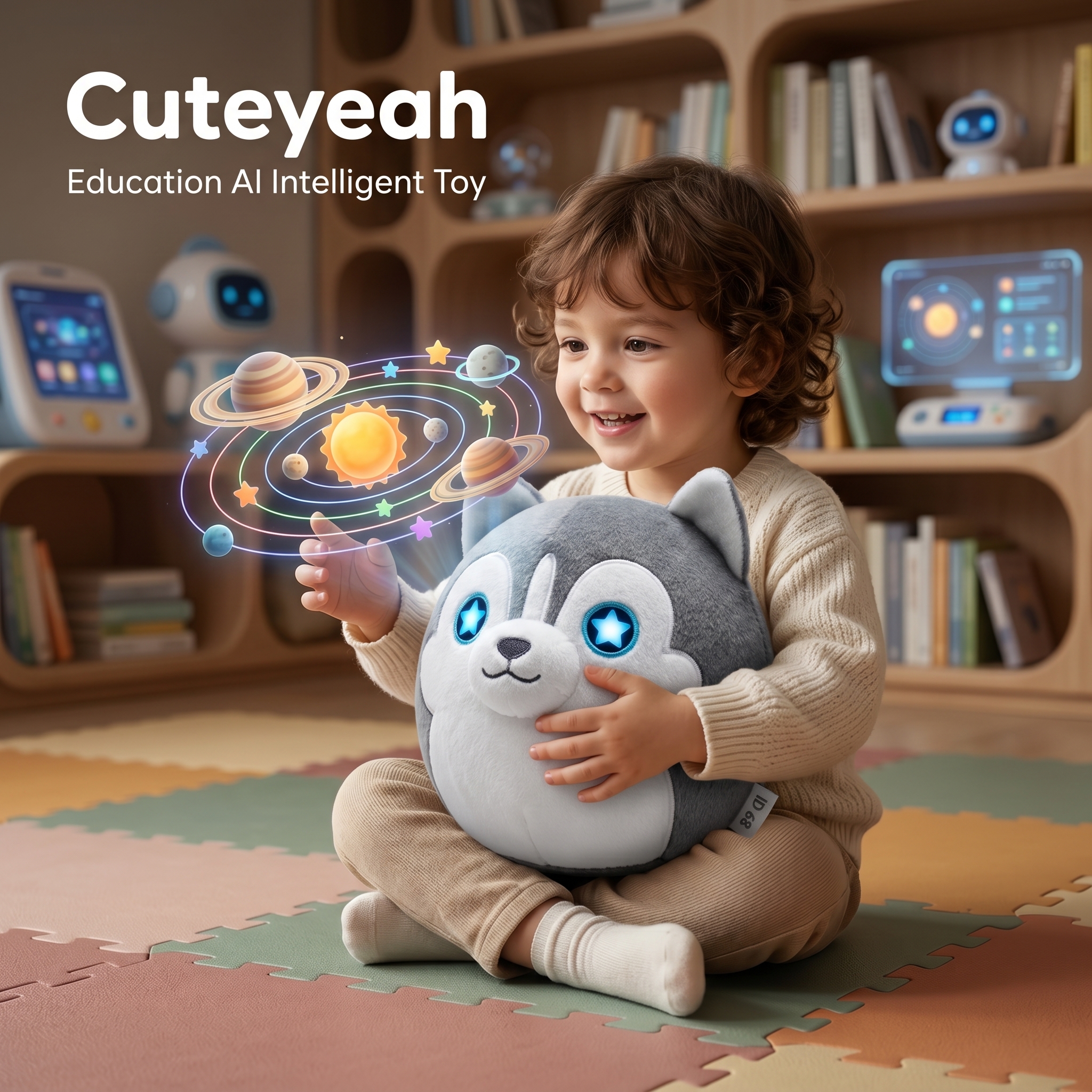
Cute Husky Puppy Stuffed Animal ChatGPT Powered AI Interactive Voice Toy ODM Cuteyeah BL168
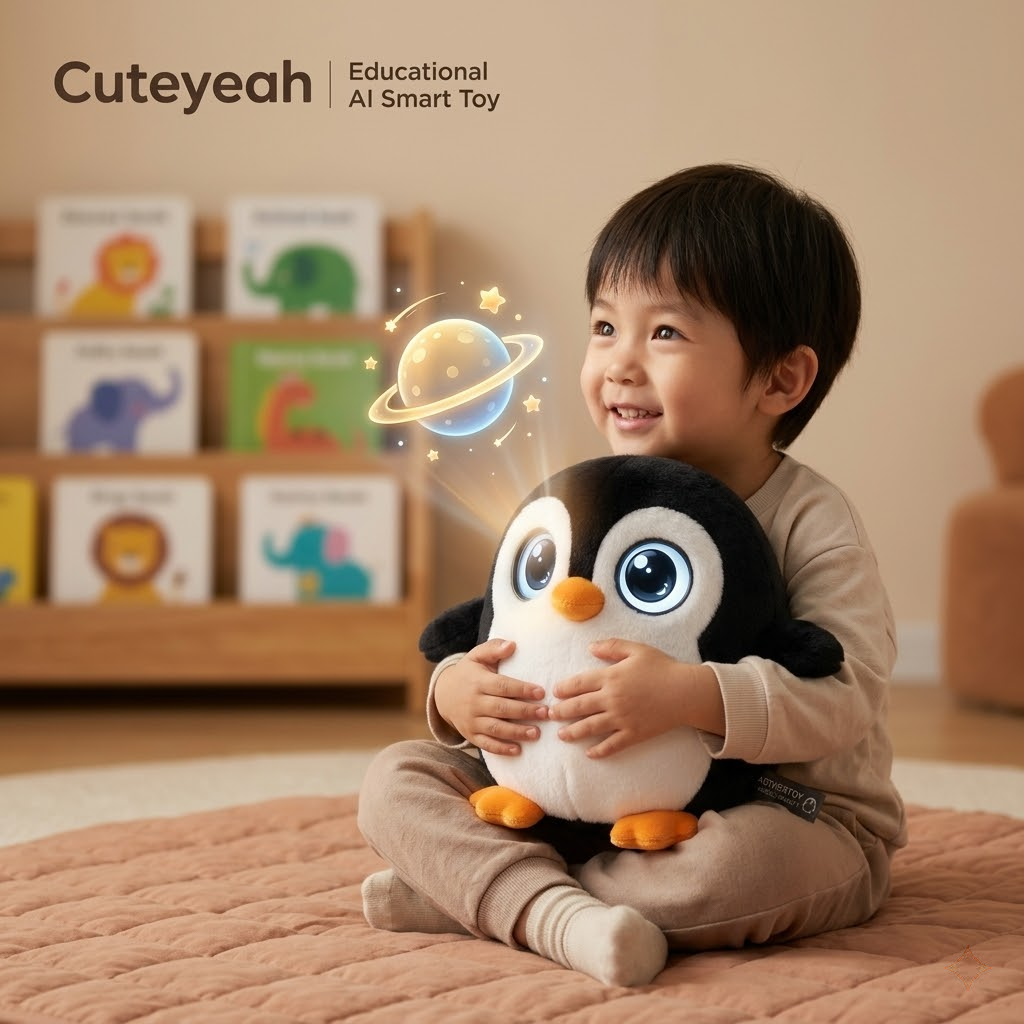
Cuteyeah ChatGPT AI Interactive Penguin Stuffed Toy Early Learning Parental APP Control
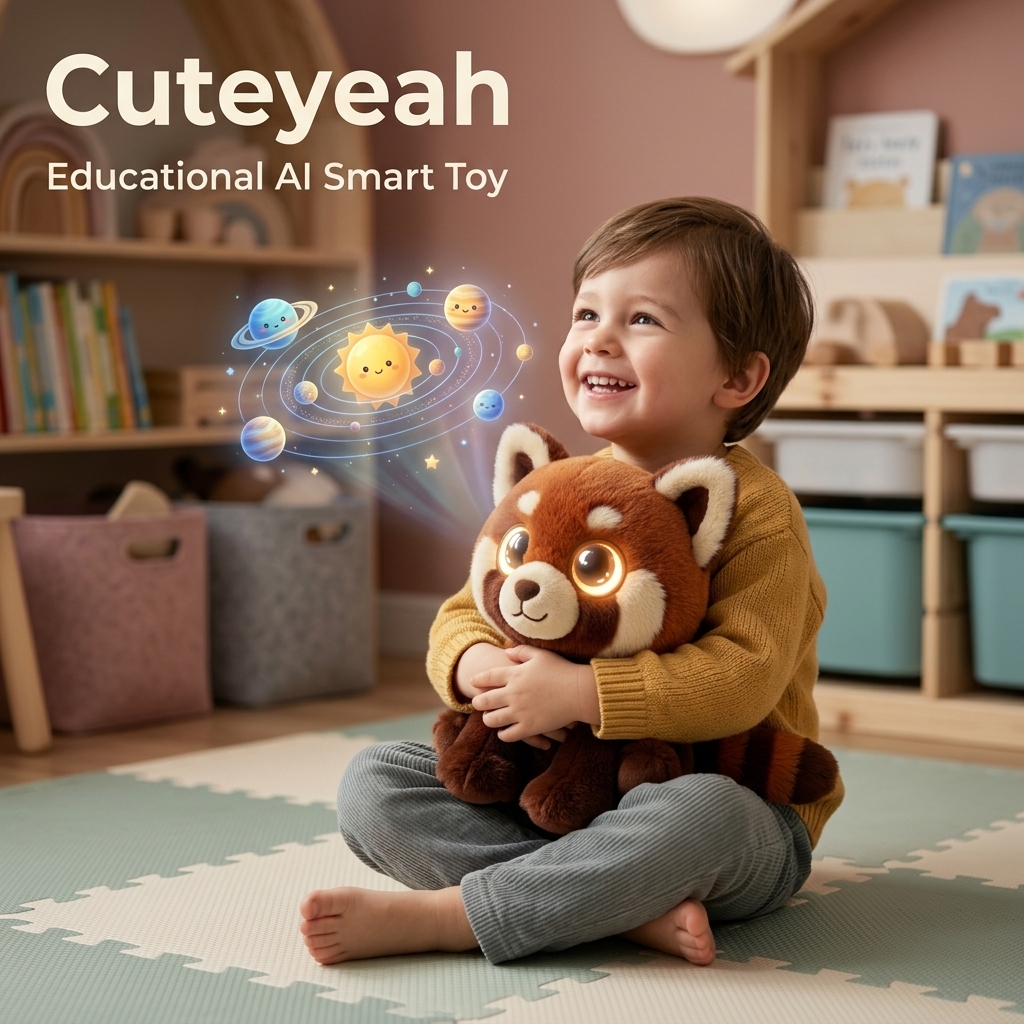
Cuteyeah Factory Direct AI Red Panda Plush PP Cotton Ecology Class Smart Educational
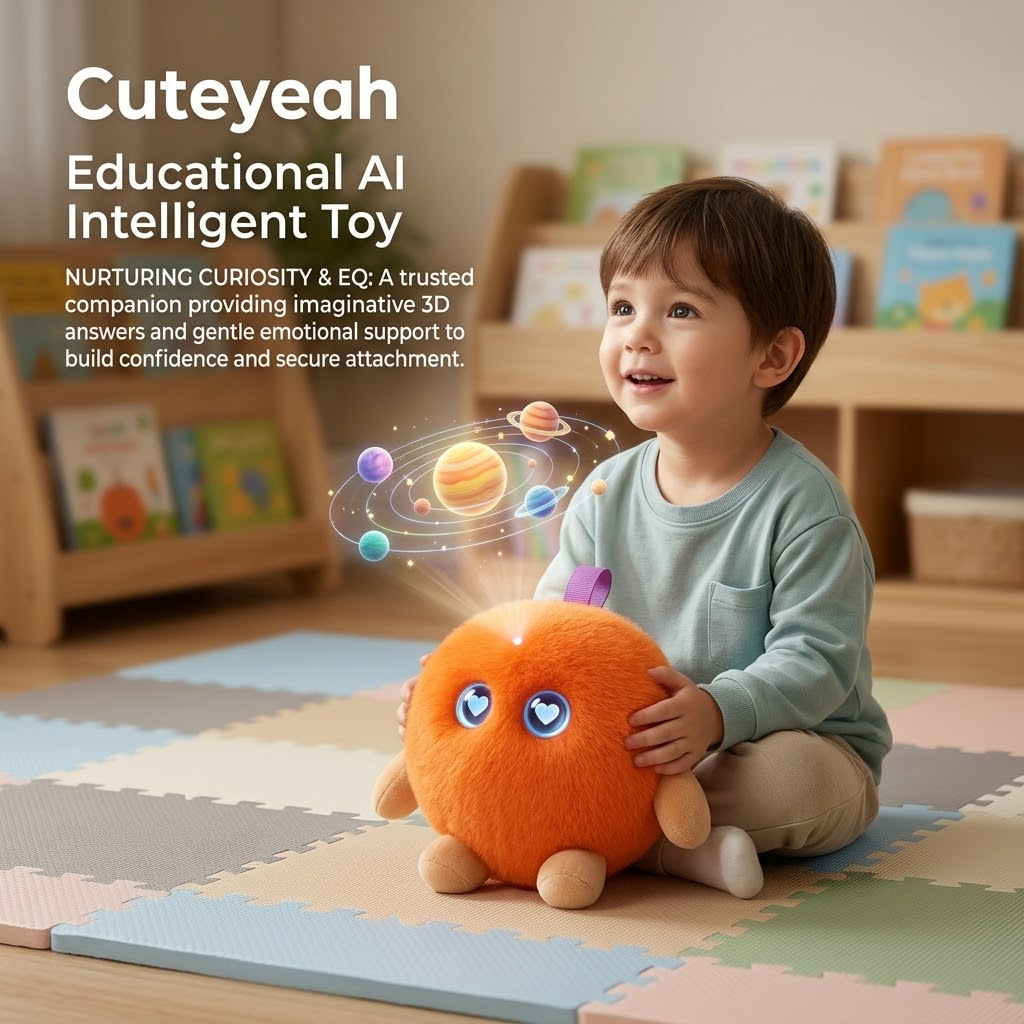
Vibrant Orange Smart Plushie ChatGPT AI Bedtime Story Toy 60+ Languages Stuffed Ball USB-C
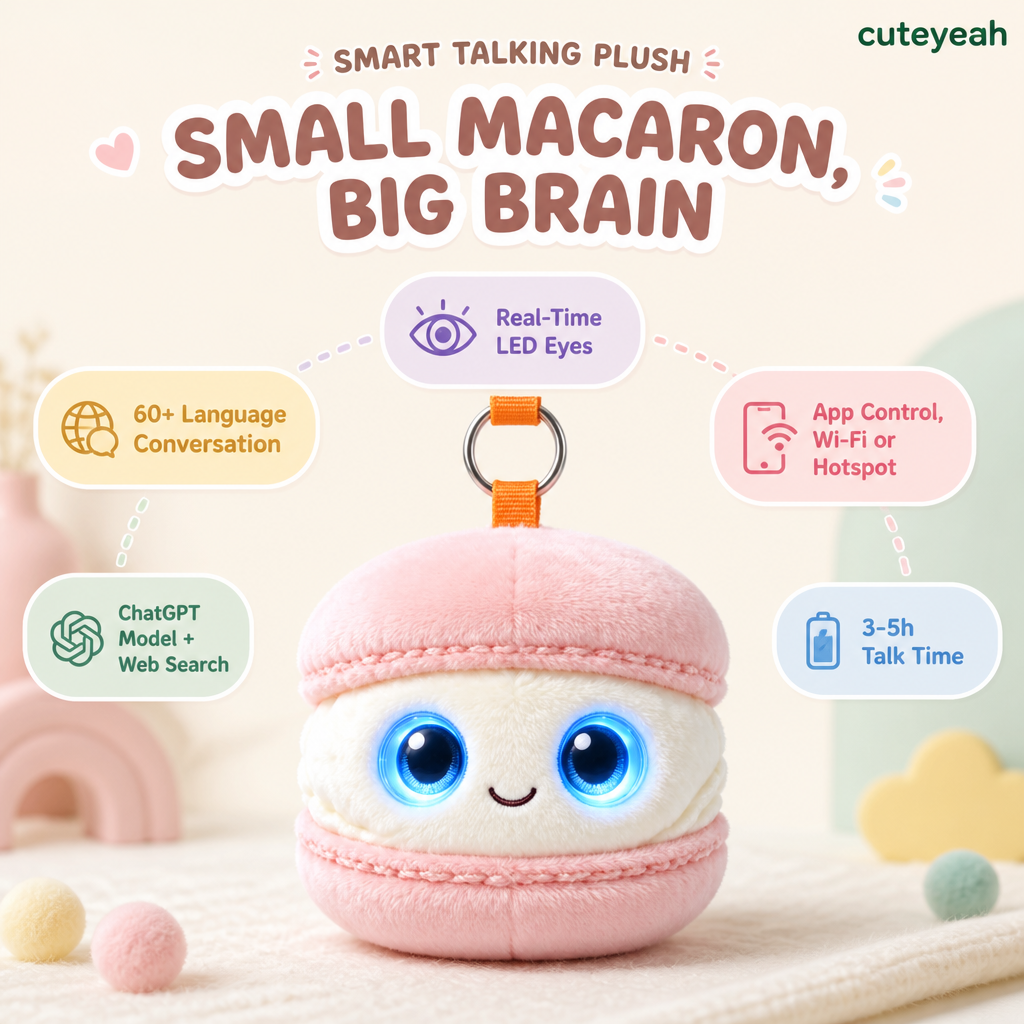
Pink Macaron Plush Charm AI Voice Chat Bridal Shower Favor Dessert Theme Party Gift
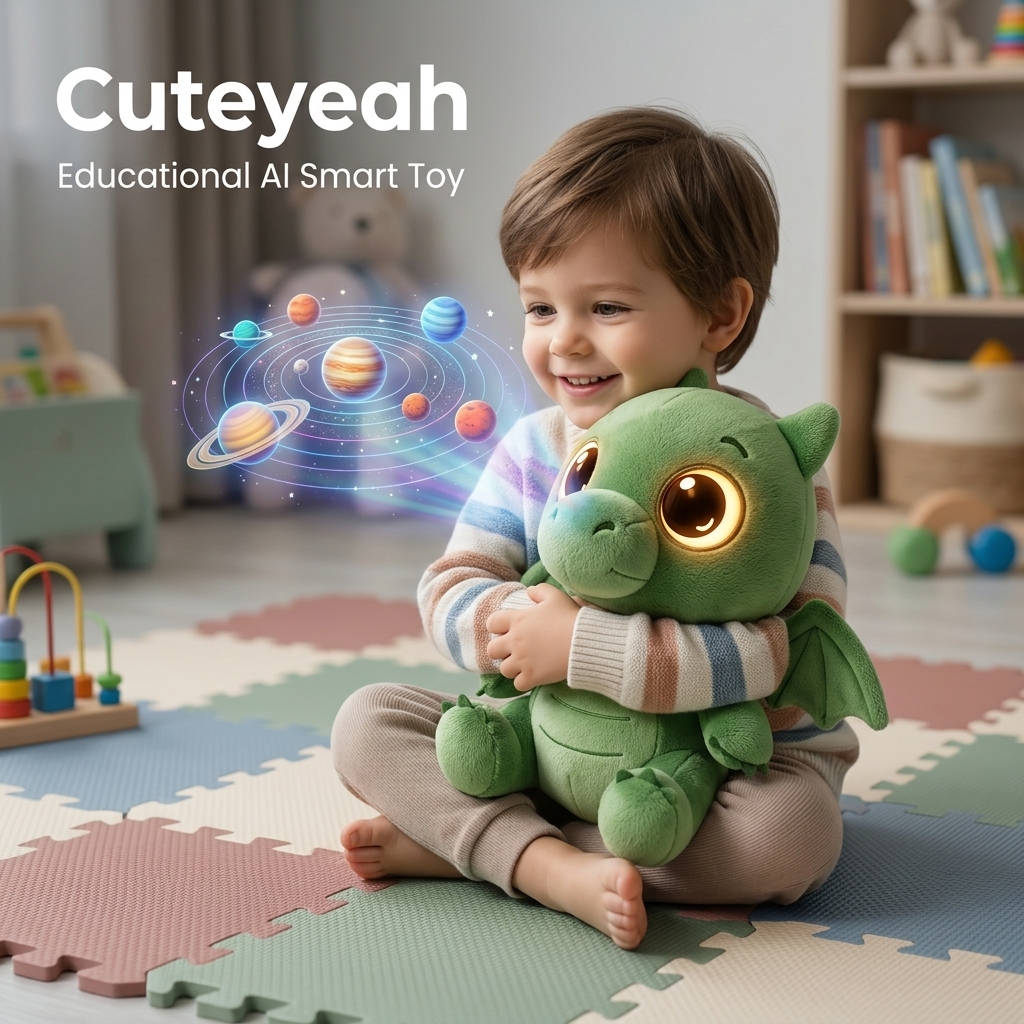
B2B Supplier Cuteyeah AI Dragon Plush Toy Multicultural Learning Smart Interactive Educational
Shenzhen Sonora Technology: Engineering Authority & Capacity
Unlike conventional toy exporters who subcontract PCB assemblies or plush fabricators who lack software engineers, Shenzhen Sonora Technology Co., Ltd. consolidates embedded firmware programming, cloud inference orchestration, acoustic mold tooling, and compliant textile production under one quality-gated ISO-certified roof.
In-House PCB & Acoustic Engineering
We eliminate supply chain latency through proprietary hardware integration. Our in-house SMT lines produce high-efficiency edge-computing voice modules with integrated ESD protection, acoustic isolation chambers that prevent speaker-to-mic mechanical feedback, and high-efficiency class-D amplifiers engineered for crystal-clear juvenile voice comprehension.
Stringent Compliance & Child Safety
Every plush duck and companion doll conforms directly to ASTM F963 (USA), CPSIA, EN 71 Parts 1, 2, & 3 (European Union), CE RED for wireless RF exposure, and RoHS 2.0. Internal lithium polymer batteries undergo UN 38.3, UL 1642, and IEC 62133 destructive crush, overcharge, and thermal propagation tests to guarantee zero-defect safety in nursery environments.
COPPA & GDPR-K Data Privacy Architecture
Children's security is our primary design constraint. Our system utilizes stateless tokenized cloud communication where audio buffers are converted to phonemes in volatile memory, streamed via TLS 1.3 encrypted sockets, and discarded immediately after semantic parsing without storing voice prints or PII (Personally Identifiable Information).
Engineering the Next-Gen Interactive Plush Duck
Waterfowl plush toys present unique industrial design and acoustic challenges. Discover how our dedicated OEM/ODM duck chassis resolves beak-articulation motor noise, fabric sound absorption, and multi-sensor tactile triggers.
The Anatomy of an AI Waterfowl Toy
Interactive ducks require distinct anatomical accommodations compared to traditional teddy bears. The beak must function as both a synchronized mechanical jaw and a low-distortion acoustic horn for the internal speaker. Sonora-tech’s specialized acoustic baffle decouples the high-torque, silent planetary-gear servomotor from the primary dual-MEMS microphone array placed in the duck’s breast plumage, eliminating mechanical self-noise during dialogue.
Our tactile mapping includes capacitance sensors under the velvet wing tips, a gentle-tilt gyroscope embedded in the soft base, and a food-grade silicone bill cover compliant with FDA and LFGB oral contact regulations for teething infants. The internal electronics pod is sealed within an impact-absorbing ABS capsule with a screw-fastened child-lock battery hatch concealed beneath an invisible hook-and-loop seam.
| Component | Standard Commercial Grade | Sonora-tech OEM Duck Specification |
|---|---|---|
| NLP Latency | 1,800ms – 3,200ms (High delay) | 650ms – 850ms (Edge-cached streaming) |
| Acoustic Isolation | Single chamber (Echo prone) | Dual-Chamber Polyurethane Shock Ring |
| Textile Outer | Recycled short acrylic plush | OEKO-TEX Standard 100 Ultra-Soft Velvet |
| Beak Mechanism | Direct-drive spur gear (Loud) | Helical Silent Planetary Gearbox (< 28 dB) |
| Battery System | 3x AAA Alkaline cells | 1,200 mAh Li-Po with IC Overcharge Cutoff |
Turnkey hardware modularity: from bare PCB to multi-lingual AI plush duck export package.
Future Sourcing & Procurement Trends: 2025–2030 Outlook
Institutional toy buyers, cross-border retail conglomerates, and educational brands are pivoting away from rigid, pre-recorded sound chips. The global interactive plush sector is experiencing four structural macroeconomic shifts.
1. On-Device Edge-LLM Quantization
By 2026, premium plush companions will adopt 1-billion-parameter quantized neural networks running locally on low-power NPU microcontrollers. This shifts procurement away from continuous server API bills toward zero-latency offline safety for rural, travel, and non-networked commercial usage.
2. Modular Shell Disassembly for Hygiene
Post-pandemic health audits require children's electronic toys to endure frequent laundering. Procurement contracts now demand modular architectures: internal waterproof core enclosures that unclip instantly from machine-washable external duck pelts without desoldering lead wires.
3. Emotional AI & Dynamic Voice Personas
The standard monophonic canned response is obsolete. Importers require dynamic, multi-modal emotional inference where the duck adapts tone (calm, enthusiastic, storytelling) depending on acoustic pitch, speaking speed, and stress cues detected in the child's voice.
4. Supply Chain Decarbonization (ESG)
European and American enterprise retailers are auditing upstream polymer sources. OEM duck sourcing now mandates GRS-certified (Global Recycled Standard) recycled polyethylene terephthalate (rPET) stuffing and non-toxic soy-based fabric dyes with full carbon lifecycle documentation.
Generational Evolution of Smart Interactive Duck Toys
Understanding generational shifts prevents costly inventory obsolescence. Sourcing managers must recognize the technical boundaries across three decades of electronic stuffed animal design.
Gen 1.0: Monophonic ROM Repeaters (1995–2010)
Squeeze switches activating fixed 4-bit OTP (One-Time Programmable) sound chips. Limited to 10–30 seconds of pre-recorded quacks and nursery rhymes. High return rates due to mechanical switch breakage and repetitive audio fatigue within 48 hours of play.
Gen 2.0: App-Tethered Bluetooth Players (2011–2022)
Toys functioning merely as Bluetooth speakers reliant on an open mobile application. While providing expanded content libraries, they suffered from high friction (pairing failures, parent screen-time fatigue, and rapid software abandonment as iOS/Android operating systems updated).
Gen 3.0: Autonomous Cloud-Connected LLM (Present)
Sonora-tech’s architecture: Independent Wi-Fi/cellular connection, low-power wake-word engines, real-time conversational streaming, context-aware memory retention, dynamic bedtime story generation, and secure OTA firmware rollouts without requiring screen tethers.
Turnkey OEM/ODM Manufacturing: Concept to Global Port
Our structured six-stage development pipeline mitigates engineering risks, locks in bill-of-materials costs early, and guarantees commercial fulfillment within strict seasonal retail windows.
Frequently Asked Questions: Custom OEM Plush Duck Sourcing
Direct, transparent technical answers to resolve regulatory, financial, and manufacturing inquiries prior to issuing formal RFQs.