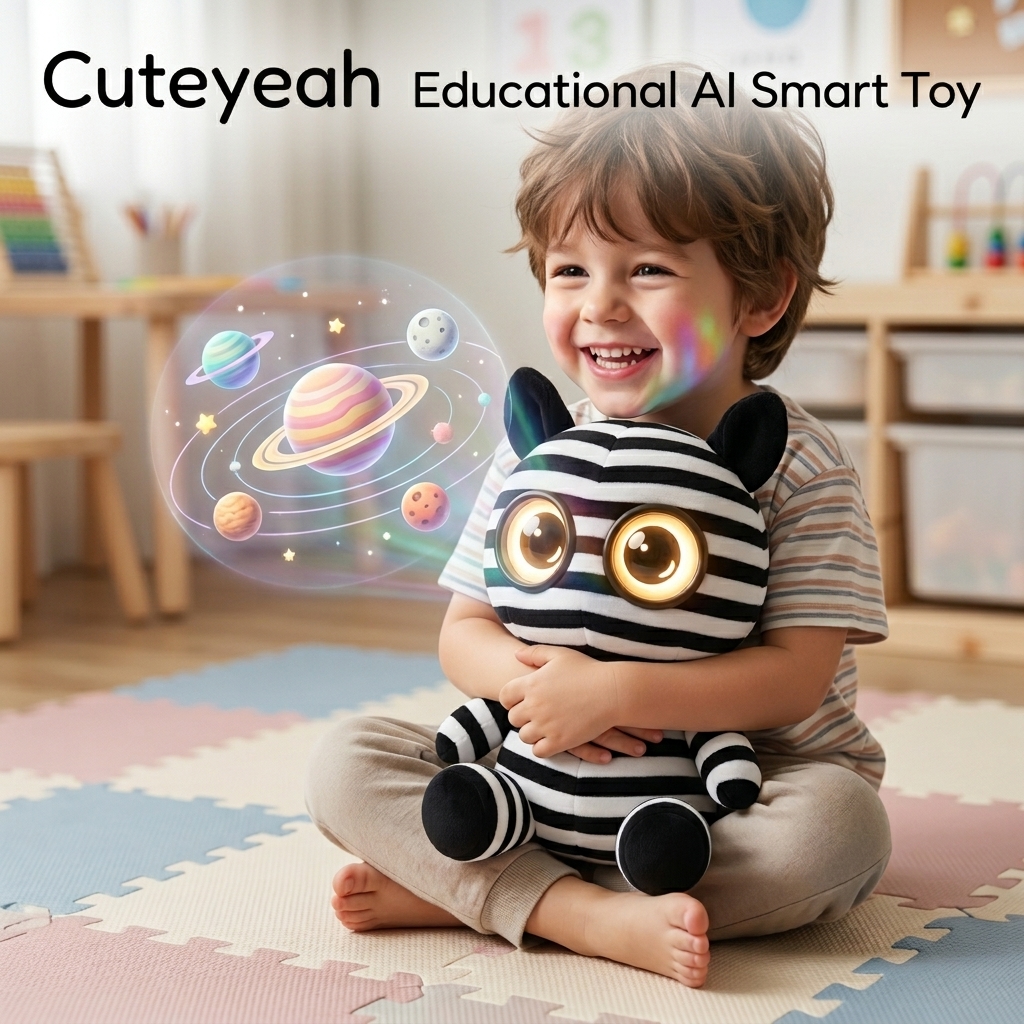
Product Architecture
Precision OEM Voice Activated Plush Toy Portfolio
Explore production-tested, low-latency ChatGPT-powered and embedded voice interactive companions engineered for global consumer markets.
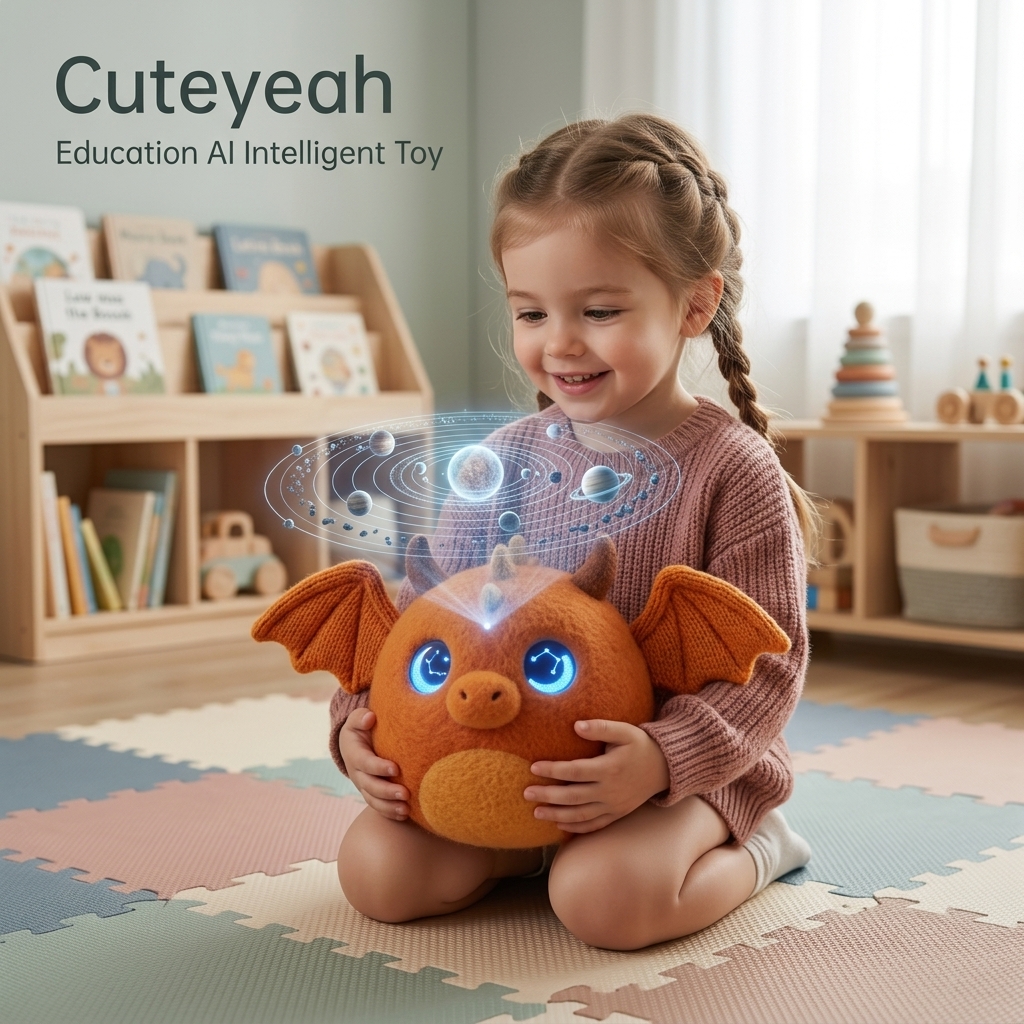
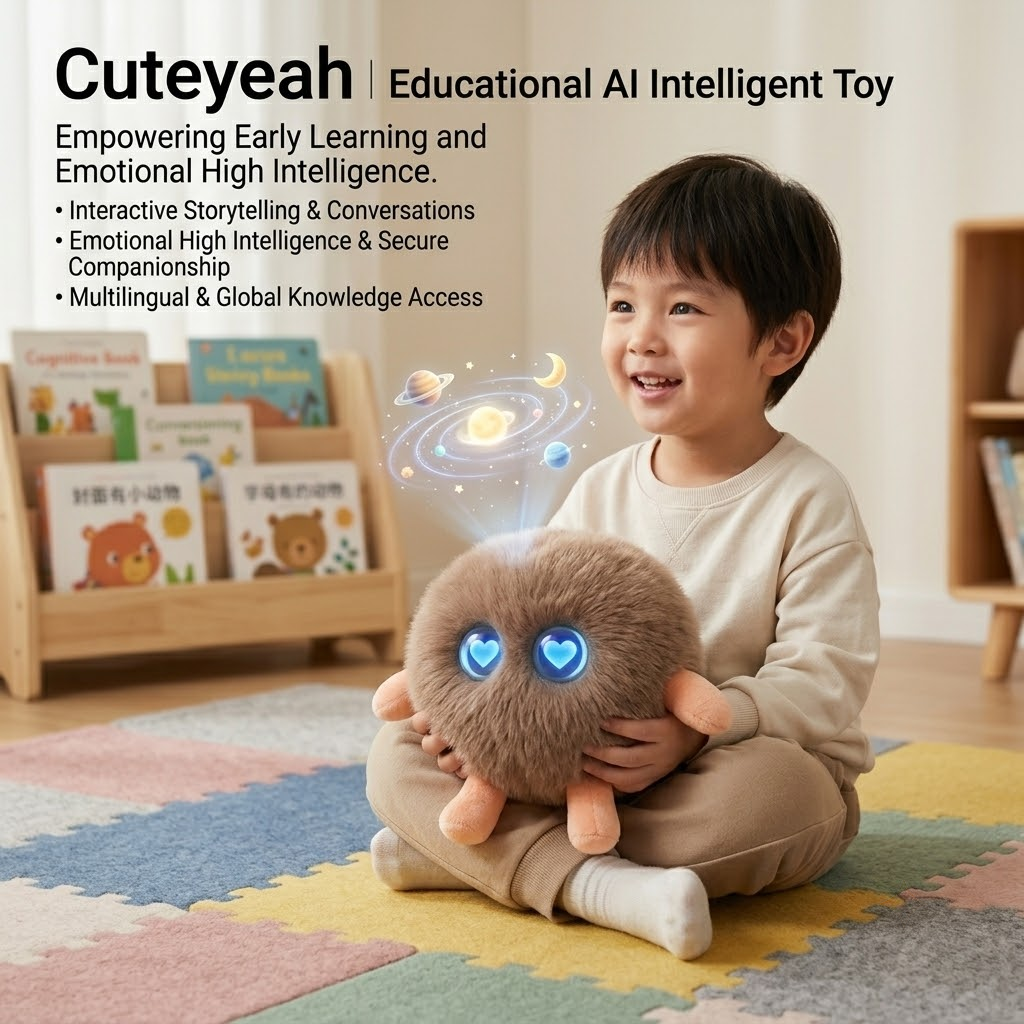
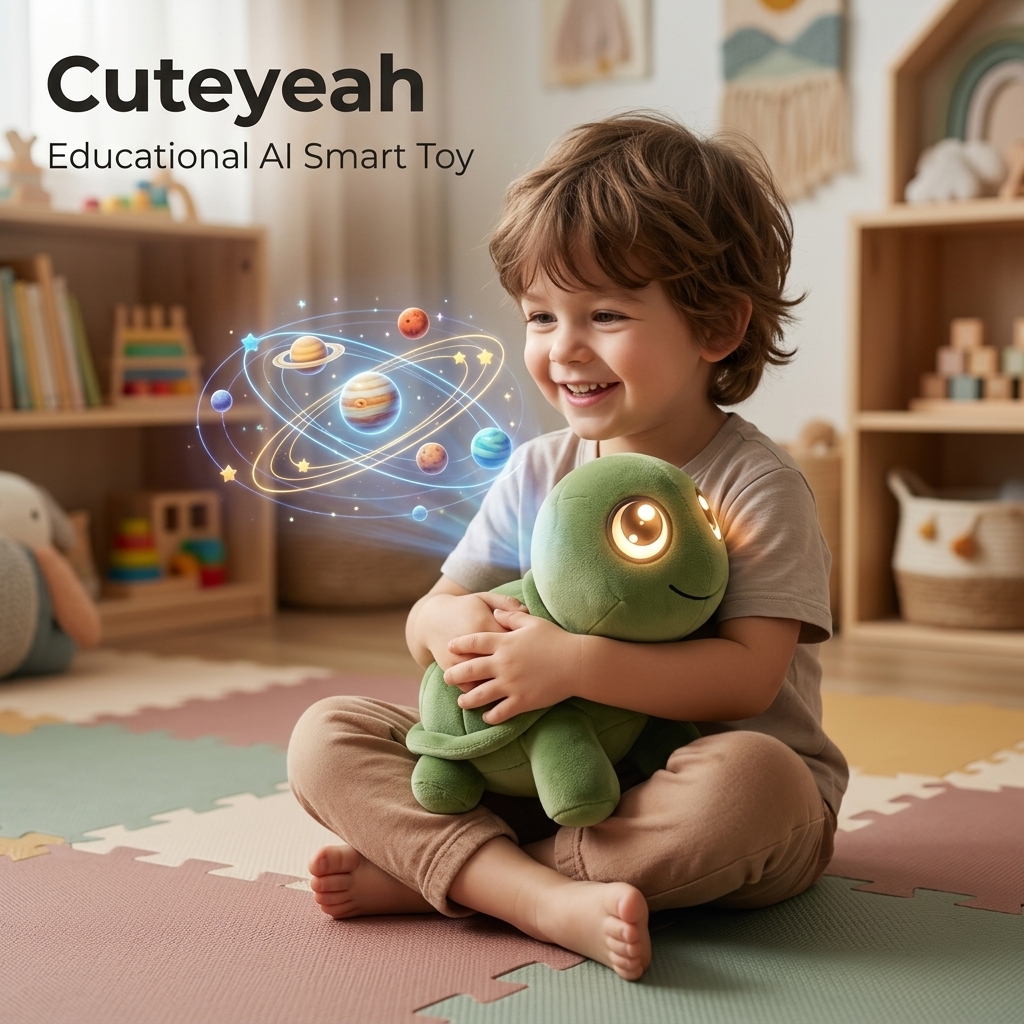
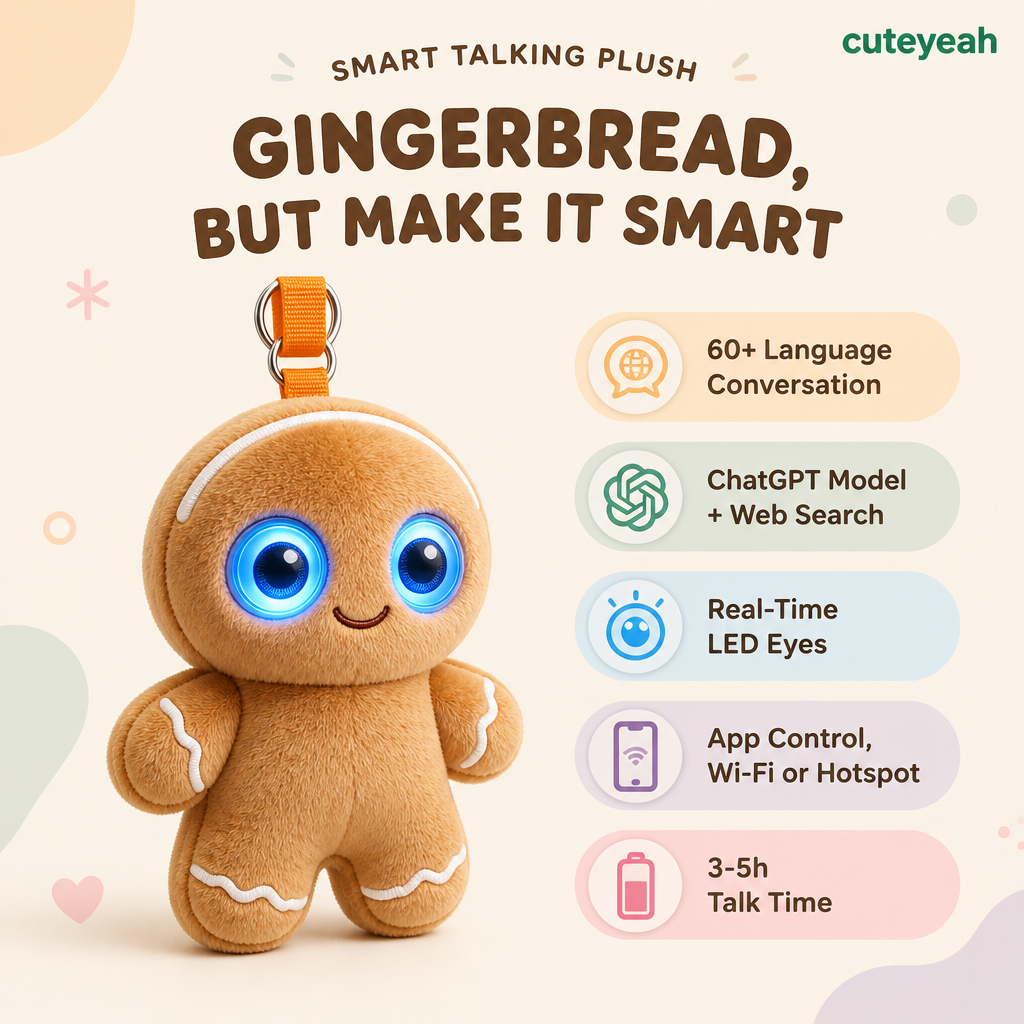
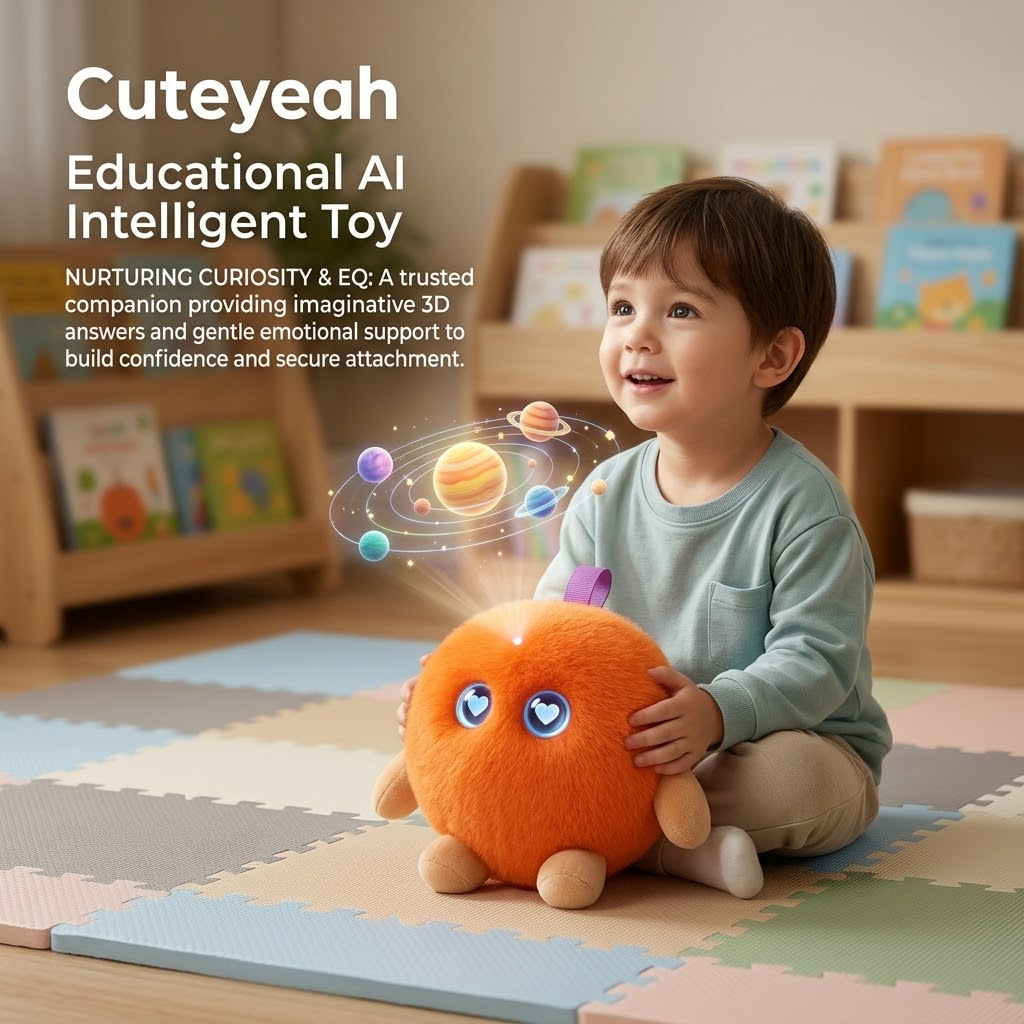
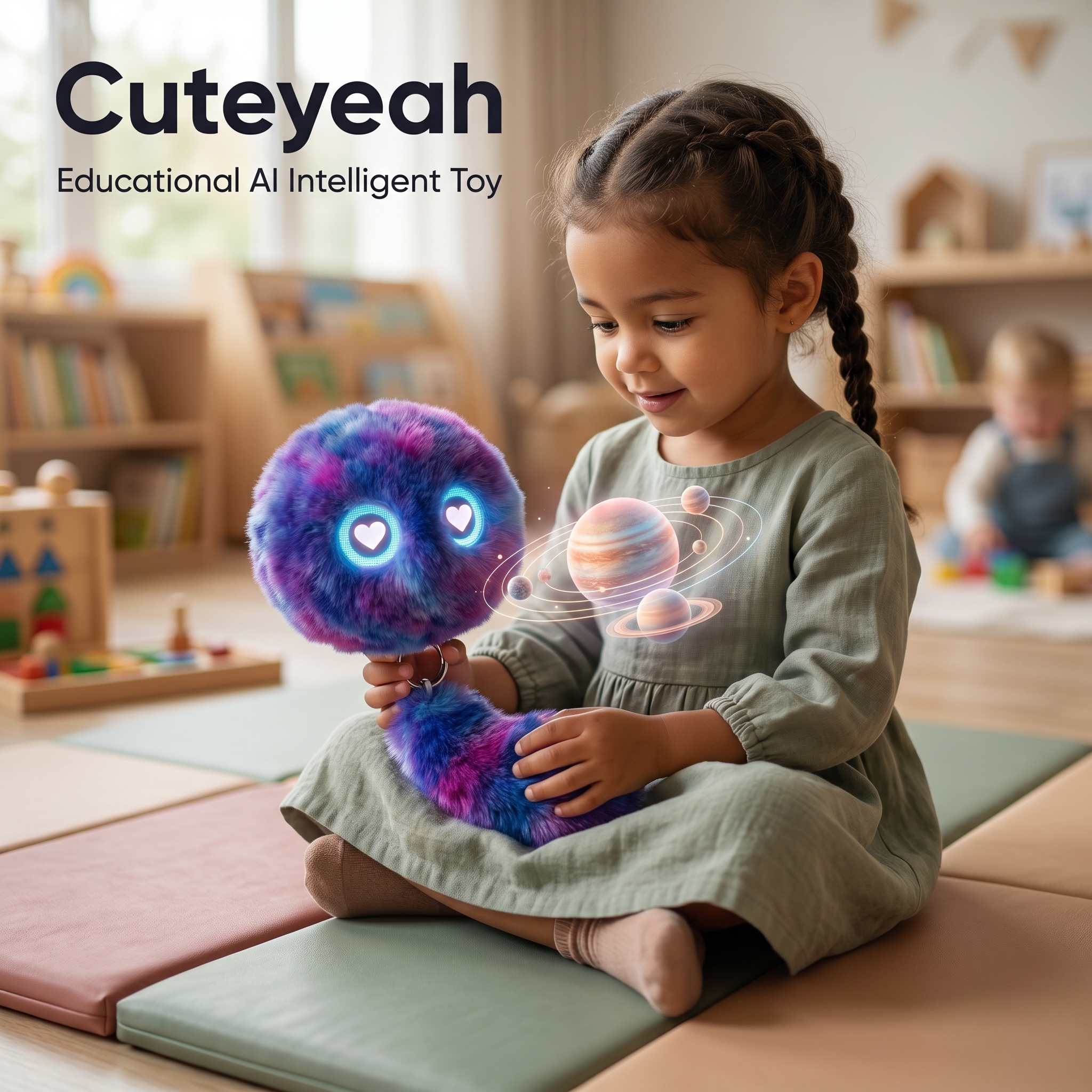
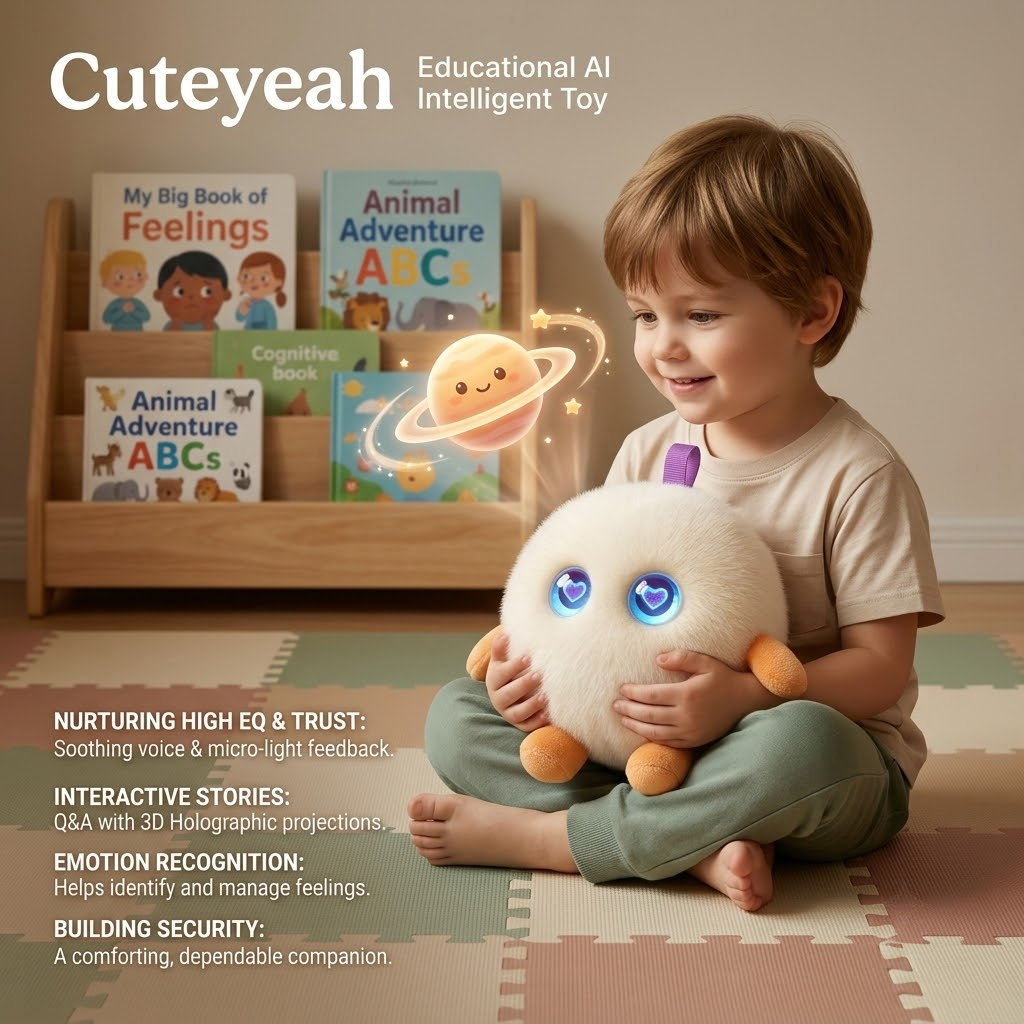
5.0 / 5.0
Verified Supplier Rating
60+
Native Real-Time Languages
1 Piece
Rapid Functional Sample Prototyping
100%
CE, CPC & COPPA Safety Cleared
Strategic Procurement
Future Sourcing Trends for Voice Activated Plush Toys
B2B toy buyers and institutional importers are restructuring supply chains to handle the technological convergence of mechanical textile design and real-time cloud inference.
1. Zero-Trust Hardware & COPPA 2.0 Compliance
Global regulatory enforcement under the FTC Children's Online Privacy Protection Rule (COPPA) and EU GDPR-K mandates hardware-level data isolation. Modern voice-activated plush procurement demands voice modules with client-side mute gates, ephemeral audio buffering without local persistent storage, and cryptographically verified parent authorization tunnels prior to cloud processing.
2. Hybrid Neural Processing (Edge-to-Cloud SLMs)
Procurement teams are prioritizing hybrid hardware architectures. Instead of relying solely on Wi-Fi cloud roundtrips, advanced smart toys utilize dual-core microcontrollers that process keyword spotting, offline emotional chirps, and immediate sensory acoustic feedback locally within <180ms, reserving cloud LLM engines (ChatGPT-class) for deep contextual dialogues.
3. Modular Mechatronic & Washable Core Architecture
The historical barrier to consumer adoption of electronic plush toys has been sanitation. Progressive OEM sourcing protocols focus on sealed capsule modules (IP65 rated) that twist-and-lock into plush skin cavities. This allows end consumers to machine-wash the exterior polyester body while protecting internal MEMS microphone arrays and lithium polymer cells.
Evolutionary Vectors: From Simple Sound ICs to Generative Emotional Agents
The consumer electronic toy industry has navigated three distinct technological epochs over the past two decades. Understanding these transitions is essential for brand managers seeking sustainable margin profiles and high lifetime value (LTV):
- Phase I: Read-Only Memory (ROM) Playback (2000–2015): Triggered by copper-switch pressure sensors, these legacy toys executed fixed pre-recorded audio snippets (e.g., standard squeeze-to-bark plush). They suffered from steep drop-offs in customer retention, averaging active shelf engagement of under 14 days.
- Phase II: Bluetooth Tethered & Command-Tree Recognition (2016–2022): Voice toys incorporated local Automatic Speech Recognition (ASR) with narrow lexical trees. These models frequently failed in multi-tonal children’s acoustic environments and required persistent smartphone linkups.
- Phase III: Generative LLMs & Dynamic Voice Interaction (2023–Present): The contemporary landscape defined by Sonora-tech’s engineering framework. Utilizing low-power Wi-Fi/BLE combo chipsets, voice streams connect directly to enterprise cloud brokers with dynamic character system prompts, child-safe semantic moderation layers, and multilingual code-switching across 60+ dialects.
Looking toward 2026–2030, our research and development focuses on spatial tactile sensing (piezoelectric yarn integrated directly into woven fabric), visual-linguistic multi-modal comprehension via low-power micro-cameras, and on-device personality memory graphs that evolve alongside the child's developmental age.
Factory Advantage
Why Tier-1 Importers Partner with Sonora-tech
As Shenzhen's integrated AI hardware and plush design specialist, Shenzhen Sonora Technology Co., Ltd. eliminates multi-vendor fragmentation through a single accountable contract manufacturing interface.
Vertical Hardware-to-Plush Synthesis
Unlike conventional plush suppliers who outsource circuit boards, or electronics assemblers who treat plush as an afterthought, we manage acoustic chamber design, mechanical shock-absorption framing, PCB surface mount assembly (SMT), and hand-sewn fabric tailoring within audited in-house manufacturing units.
Proprietary LLM Cloud Gateway
We deploy dedicated, geo-distributed edge clusters across North America, Europe, and Asia-Pacific. Our software middleware delivers high-speed voice streaming, dynamic role-play configuration, parent safety controls, and real-time audio compression that slashes cloud compute overhead by up to 35%.
International Regulatory Clearance
Our product platforms hold pre-cleared certifications for CE (EN 71-1/2/3, EN 62115, RED), CPC (ASTM F963-17, CPSIA lead & phthalates), FCC ID radio frequency verification, and battery safety documentation (UN38.3, MSDS), ensuring customs clearance without testing delays.
Procurement Guide
Frequently Asked Questions by Commercial Buyers
Actionable guidance regarding minimum order quantities, customization scope, acoustic engineering, and safety verifications.
What is your minimum order quantity (MOQ) for custom projects?
For stock platform white-labeling (applying client branding, colorways, custom greetings, and pre-packaged firmware), our MOQ starts at 500 units. For full OEM/ODM projects involving custom character plush modeling, unique injection molds for hardware capsules, and tailored companion apps, typical volume requirements start at 2,000 to 3,000 units per production run. Evaluation samples are available from 1 piece.
How do you overcome background noise interference for kids' speech?
Children naturally speak with irregular cadence, varied pitches, and often in active, noisy domestic environments. Our hardware units integrate digital MEMS microphone capsules housed in acoustic resonance cavities designed to minimize cloth friction noise. Complementing the hardware, our DSP firmware applies real-time beamforming, dynamic noise suppression (DNS), and acoustic echo cancellation (AEC).
Can clients deploy proprietary LLMs or private character system prompts?
Yes. Our software backend is provider-agnostic. While our standard setup operates via optimized ChatGPT-class LLMs with low-latency streaming TTS (Text-to-Speech), enterprise customers can direct the API gateway to proprietary enterprise endpoints (e.g., Azure OpenAI, Claude, or self-hosted models). Brand IP guidelines and character knowledge bases are integrated via RAG pipelines.
How are electronic components protected against physical impacts and washing?
All active electronic sub-assemblies (PCB, speaker, battery, charging socket) are encased in an impact-absorbing ABS/polycarbonate shell engineered to withstand standard drop tests (1 meter height drop onto concrete, repeated 10 times). For washable models, our mechanical capsule features silicone O-ring seals, allowing easy extraction before washing the textile exterior.
What is the typical production timeline from initial brief to mass delivery?
A standard OEM platform integration requires 7–10 working days for rapid sample verification and 25–30 days for mass packaging and production. Full-cycle ODM development spans approximately 45–60 days: 15 days for aesthetic clay rendering and plush pattern engineering, 15 days for rapid 3D prototyping and tooling verification, and 30 days for mass manufacturing, QA burn-in, and export packaging.
How do you manage ongoing cloud connectivity costs for end consumers?
We provide two commercial options for importers: 1) Hardware-only delivery where the brand client connects their own cloud subscriptions via our companion app SDK, or 2) A bundled wholesale model where toys include 1 to 2 years of prepaid cloud usage tiering, managed via our global server infrastructure, with optional parent-facing in-app subscription renewals.
Scale Your Smart Toy Business with Verified Engineering
Direct factory pricing, comprehensive compliance documentation, and rapid prototyping for global retailers, IP owners, and distributors.
Get Catalog