Commercial-Grade AI Plush & Interactive Learning Lineup
Engineered for high-fidelity bilingual interaction, sensory stimulation, and strict international compliance. All models support low MOQ prototyping, Japanese NLP tuning, and custom character ODM adaptation.
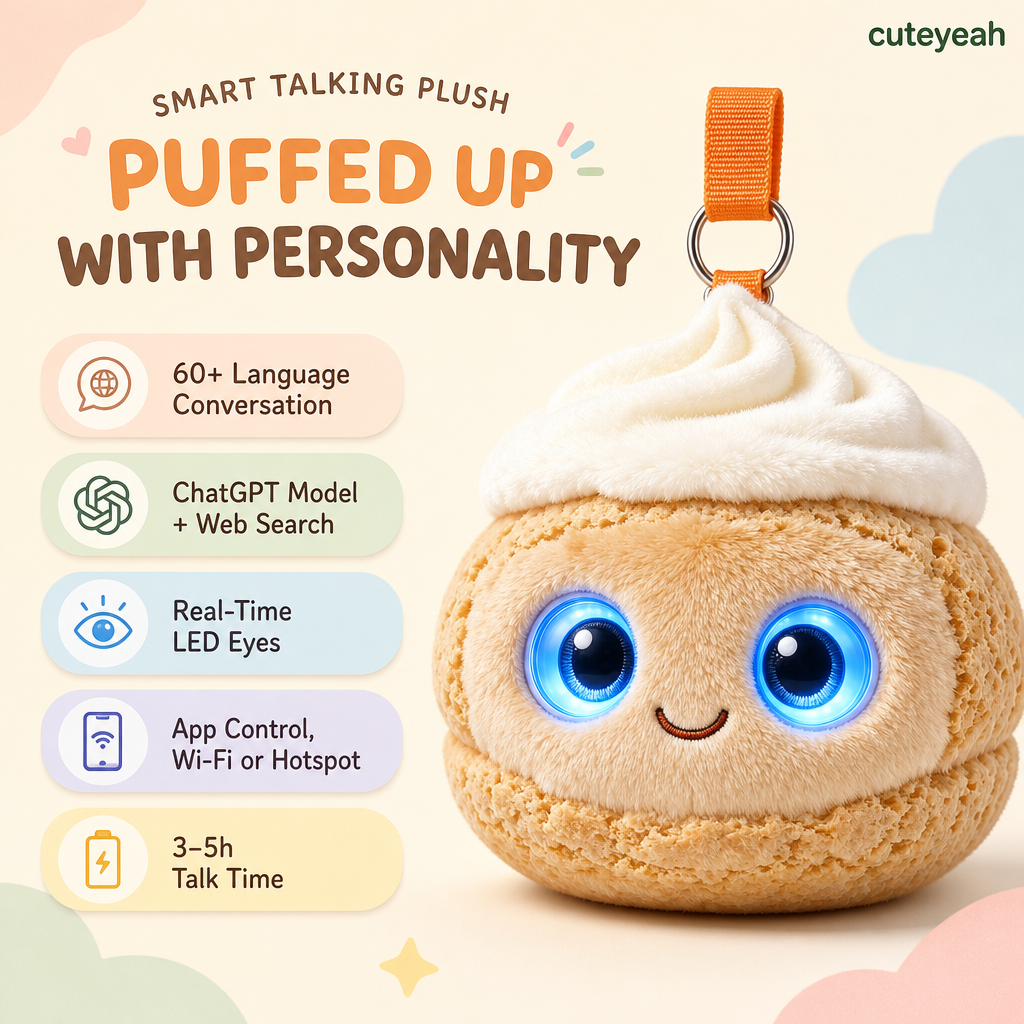
- Ultra-compact conversational MCU
- Retail counter promotional trigger
- USB-C rapid charging lipo battery
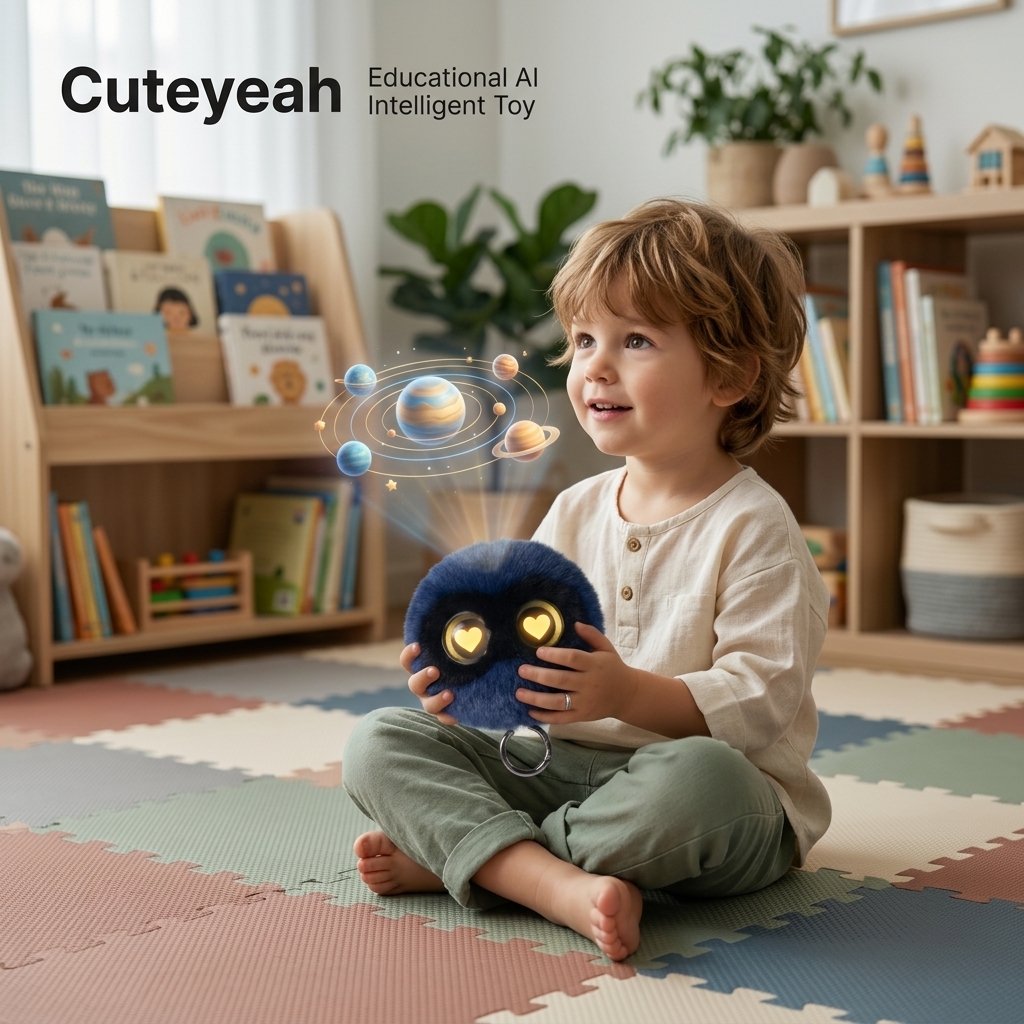
- Star gradient LED ambient system
- Real-time cloud database lookup
- Full ODM housing & firmware path
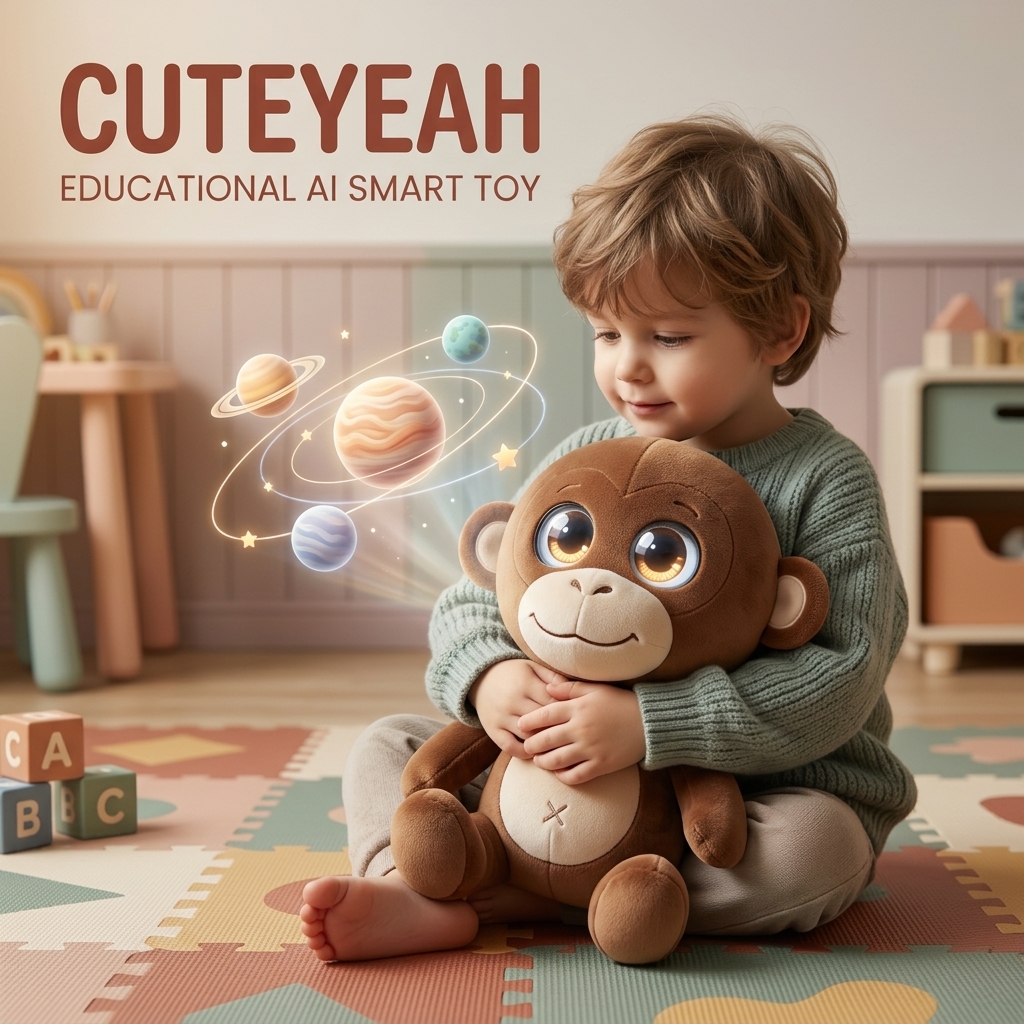
- Dual Wi-Fi & 4G standalone SIM slot
- Detachable washable outer plush skin
- Dedicated parent dashboard app
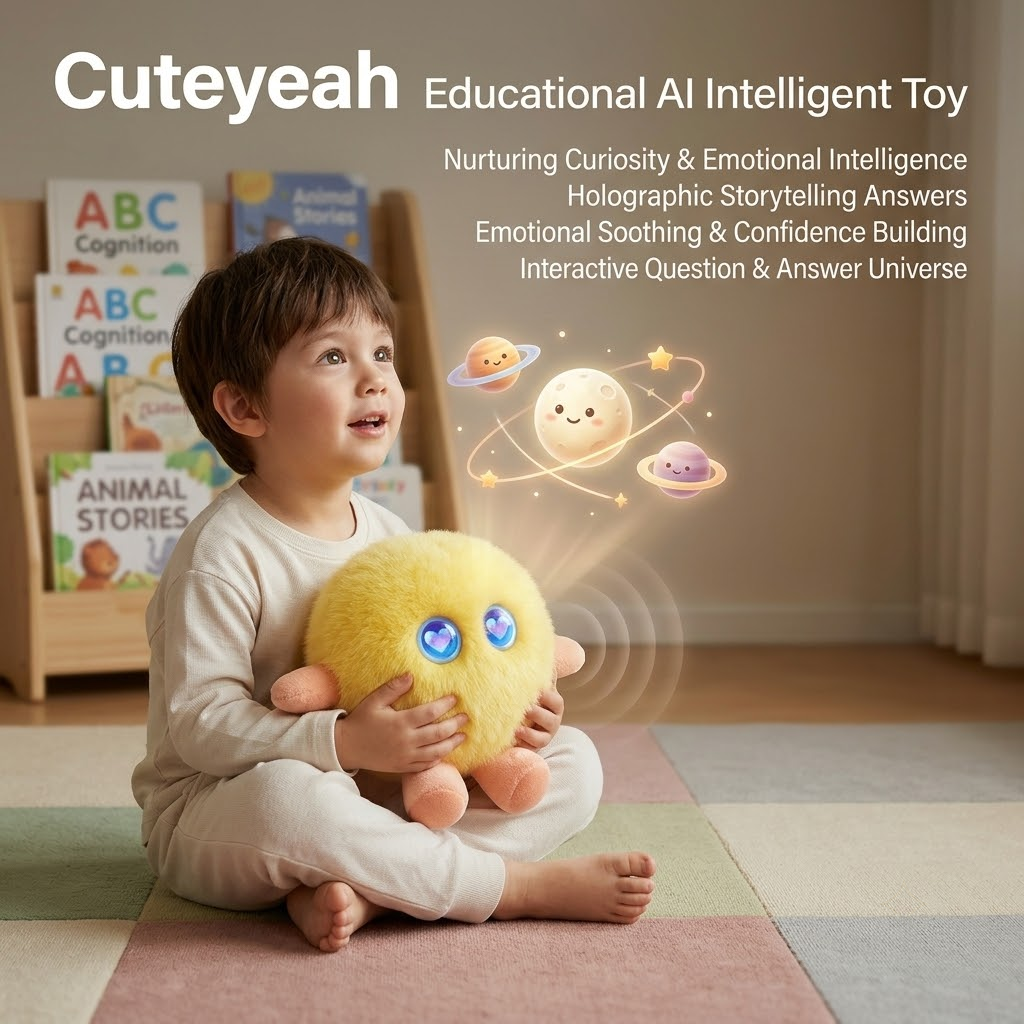
- Fast charging Type-C port architecture
- 60+ conversational linguistic engines
- Tactile capacitive touch sensors
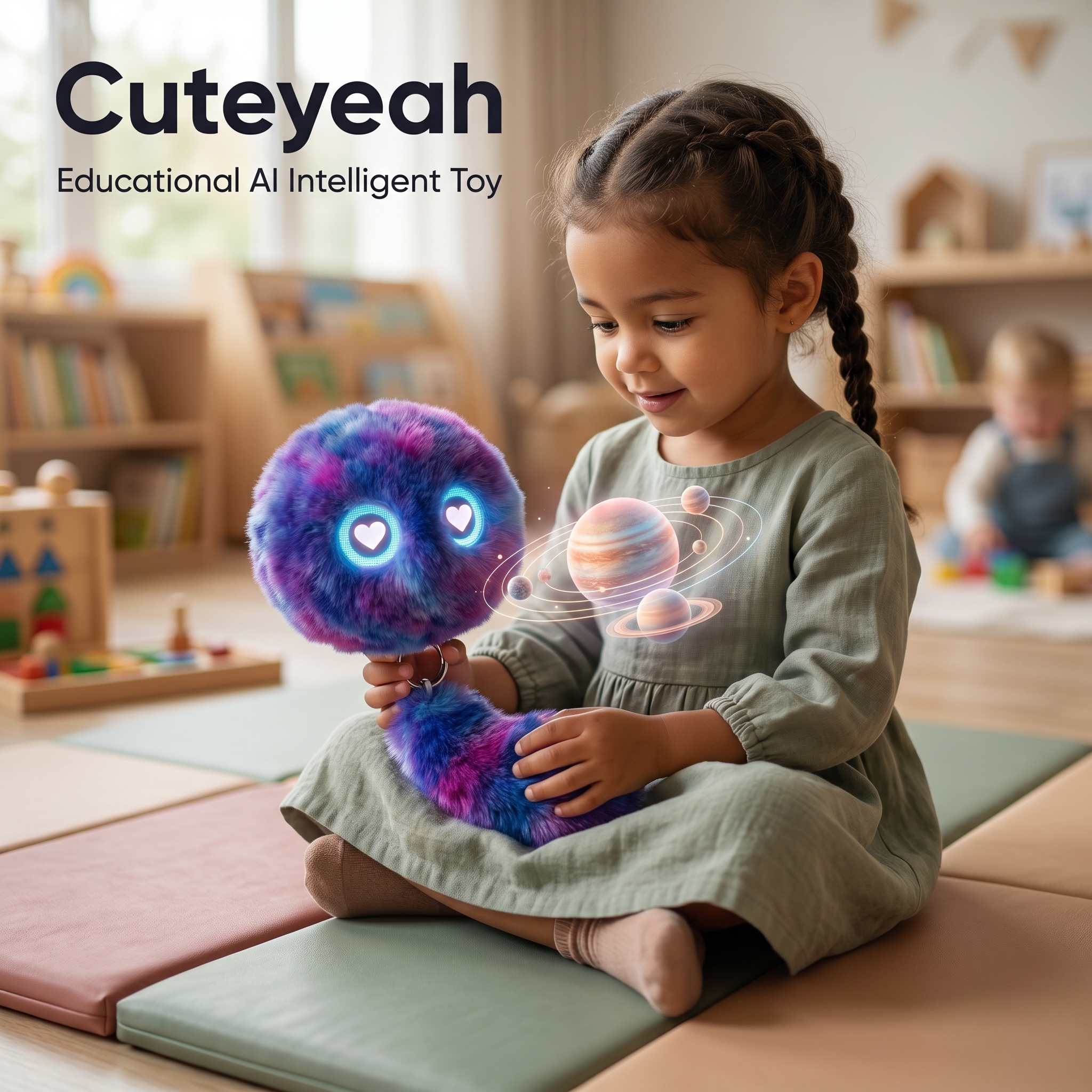
- Algorithmic bedtime story generator
- Non-toxic soft memory velvet
- Low-energy Bluetooth / Wi-Fi mesh
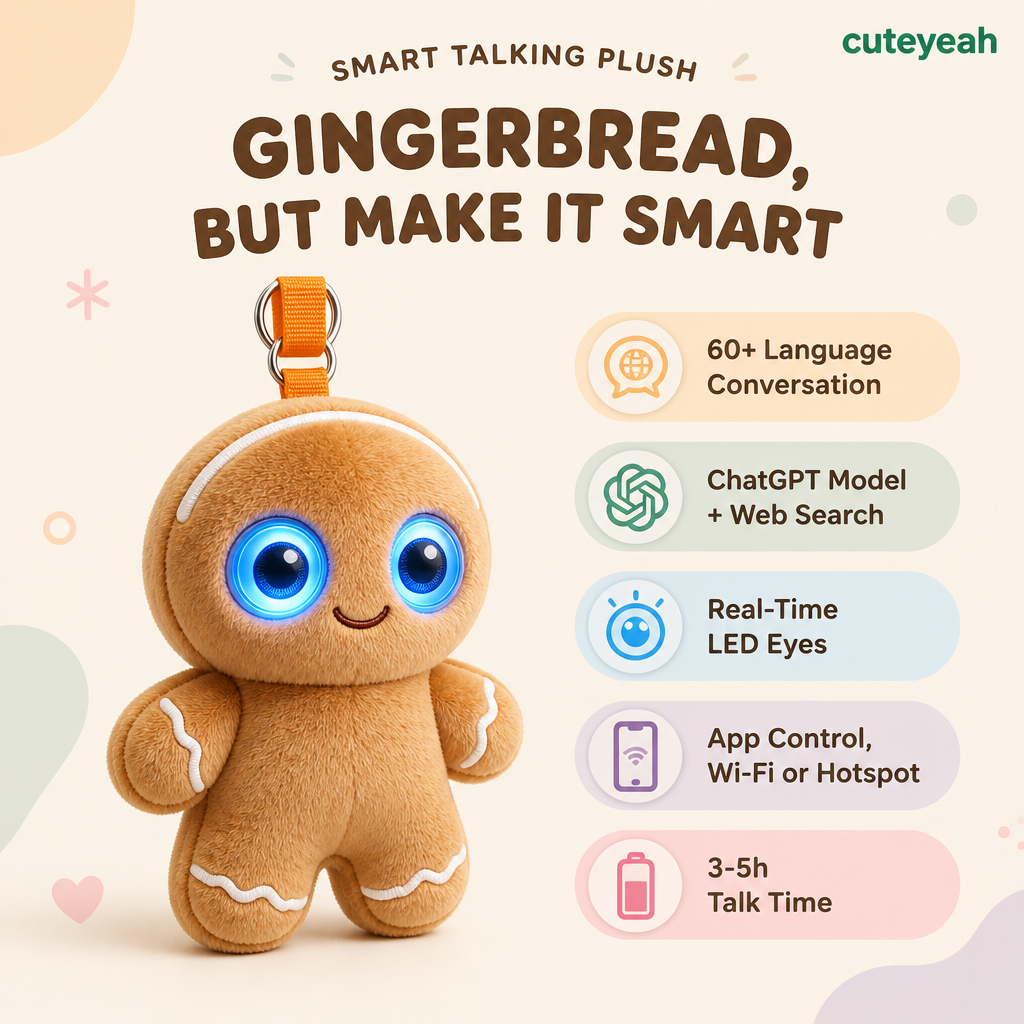
- Holiday campaign script customization
- Acoustic MEMS noise-filtering mic
- CE & CPC verified internal module
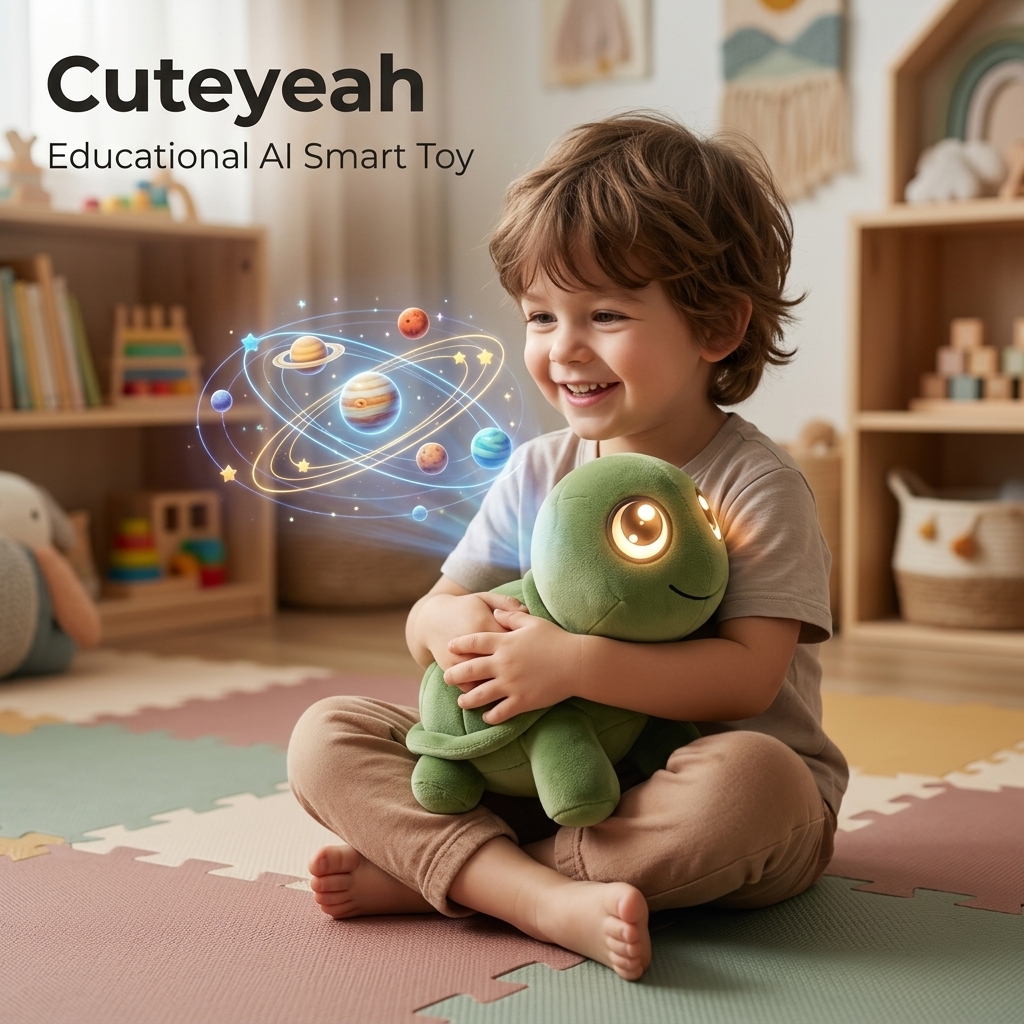
- Sensory feedback vibration motors
- Special needs & neuro-calming modes
- Child-safe lockable electronic casing
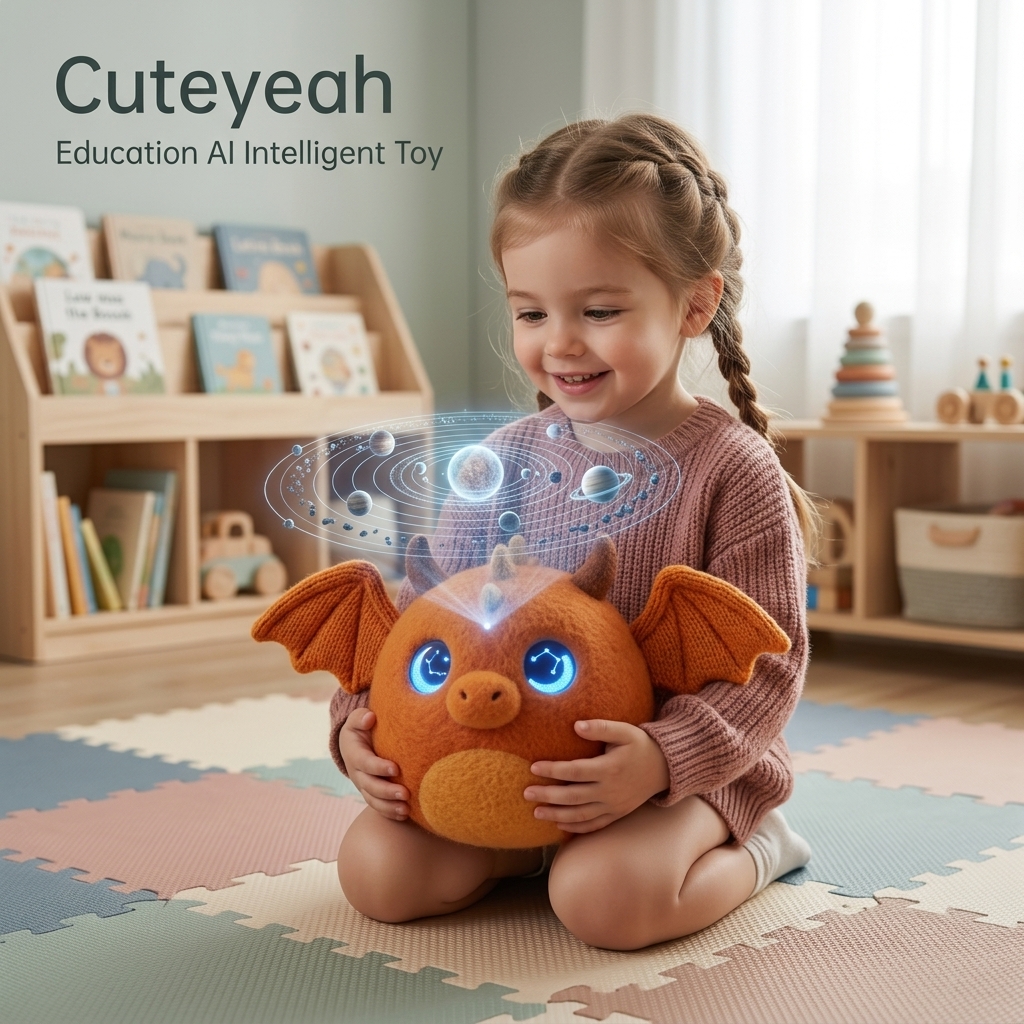
- Dynamic voice-expression animatronics
- Bilingual Japanese/English tutoring
- Reinforced stitching for institutional use
Executive Analysis: The China-Nagoya Bilateral Corridor for Next-Generation AI Toys
The global juvenile product landscape is undergoing an irreversible structural pivot from static, prerecorded silicon chips to dynamic, cloud-connected Large Language Model (LLM) edge devices. In Japan, this technological paradigm shift intersects with the Chubu economic sphere—anchored by Nagoya, Aichi Prefecture—the undisputed heartland of Japanese industrial engineering, mechatronics, and precision assembly.
For toy importers, major department store merchandisers (such as JR Nagoya Takashimaya, Matsuzakaya), retail chains across Sakae and Osu, and educational consortia in Aichi, the strategic sourcing of AI-powered conversational companions presents both a massive commercial upside and unique regulatory hurdles. As an onsite-verified manufacturer and trading enterprise operating at the epicenter of Shenzhen’s hardware and microelectronics innovation belt, Shenzhen Sonora Technology Co., Ltd. (Sonora-tech) serves as the direct primary partner bridging advanced Chinese AI hardware manufacturing directly to the Port of Nagoya.
1. The Convergence of Hardware Velocity and Nagoya's High-Spec Retail Ecosystem
Nagoya represents one of Japan's most affluent urban centers, boasting high household discretionary spending on early-childhood cognitive enrichment, bilingual schooling, and novelty character merchandise. Traditional sourcing models frequently fail in the AI toy category because buyers encounter a fragmented supply chain: software developers cannot manufacture compliant plush bodies, while traditional soft-toy factories lack the cleanroom environments, RF engineers, and firmware developers necessary to build stable wireless transceivers.
Sonora-tech eradicates this multi-tiered margin drag. By housing internal plush skin design, precision injection-molded inner core safety chassis, surface-mount technology (SMT) electronics placement, and conversational NLP middleware under one ISO-aligned roof, Nagoya buyers receive end-to-end accountability. From initial sketch to CIF Port of Nagoya customs release, every variable—battery thermal runaway protection, Japanese drop tests, and localized speech response—is owned by our technical engineering team.
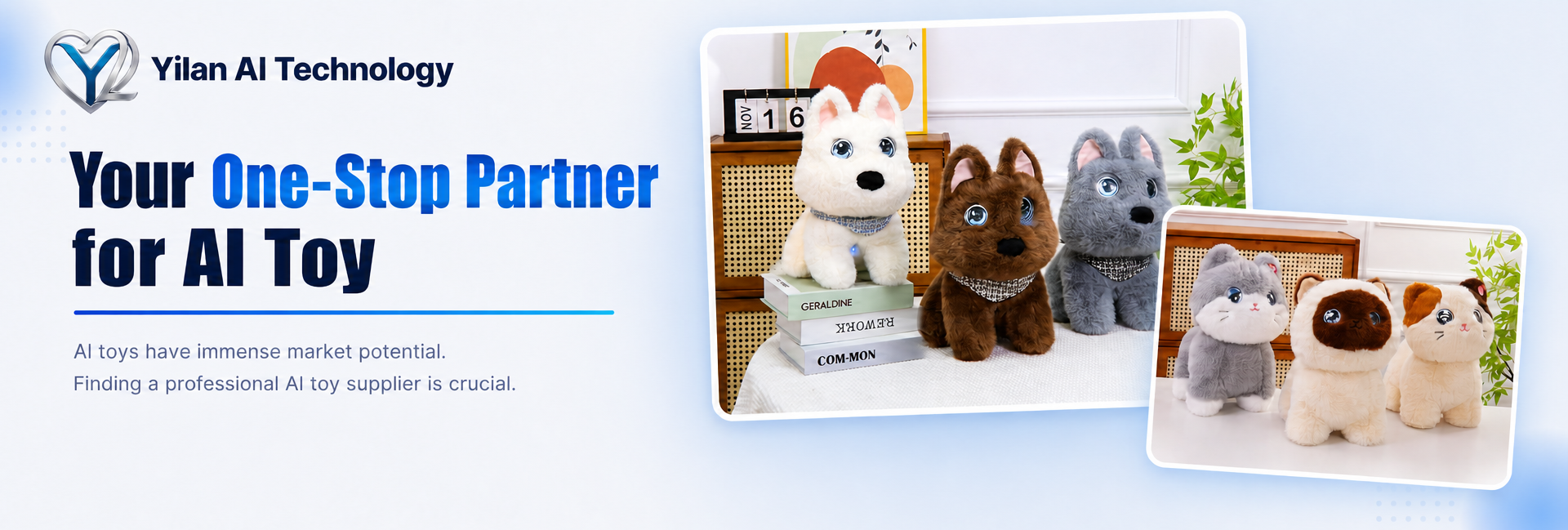
Hardware-Software Convergence at the Source
Our intelligent plush animals are built with modular sound chambers, low-distortion neodymium speaker drivers, and high-sensitivity MEMS microphone arrays featuring active noise suppression. Children in dense urban daycare or domestic living spaces can converse naturally without voice recognition failing due to ambient echo.
Every internal hardware component is shielded in drop-tested, flame-retardant ABS capsule assemblies, guaranteeing mechanical durability when subjected to aggressive toddler handling. By maintaining a single accountable manufacturing interface, Sonora-tech delivers Japanese enterprise-grade reliability at China wholesale economies of scale.
Targeted Deployment Scenarios Across the Aichi Economic Zone
Custom-tuned hardware profiles, linguistic filters, and physical form factors engineered specifically to solve pressing educational, demographic, and commercial retail demands in the Greater Nagoya area.
Regulatory Blueprint: Clearing Customs at the Port of Nagoya with 100% Compliance
Importing electronic AI toys into Japan involves navigating one of the world's most rigorous consumer safety and radio frequency environments. Failing to satisfy Ministry of Internal Affairs and Communications (MIC) regulations or the Ministry of Health, Labour and Welfare (MHLW) food safety provisions can lead to seized shipments at the Port of Nagoya, customs fines, and brand destruction. Sonora-tech maintains end-to-end pre-testing protocols tailored to the Japanese market.
| Regulatory Domain | Statutory Requirement | Standard Applied | Sonora-tech Factory Protocol |
|---|---|---|---|
| RF & Telecommunications | Giteki (Technical Regulations Conformity Certification) | Radio Law (MIC) Article 38-24 | Pre-certified wireless Wi-Fi (2.4GHz) & BLE 5.2 modules carrying valid Japanese Giteki ID marks etched on the PCB shield and packaging. |
| Mechanical & Flammability | Japan Toy Safety Standard | ST Standard 2016 (Parts 1-3) | Physical tension pull-testing (>90N) on eyes/seams, flammability burn rate suppression, drop resistance from 1.5m onto concrete plates. |
| Chemical & Mouthing Safety | Food Sanitation Act (Shokuhin Eisei Hō) | Articles 62 & 63 (for infants <36 mos) | Heavy metals (lead, cadmium, arsenic), phthalate ester plasticizers (DEHP, DBP, BBP) strictly below 0.1% threshold in accredited laboratory testing. |
| Data & Privacy Protection | Act on the Protection of Personal Information (APPI) | Personal Information Protection Commission (PPC) | Zero on-device biometric retention; real-time encrypted HTTPS/WSS transport; voice audio transcribed and purged immediately following session completion. |
Ultra-Low Latency Edge Architecture for the Japanese Archipelago
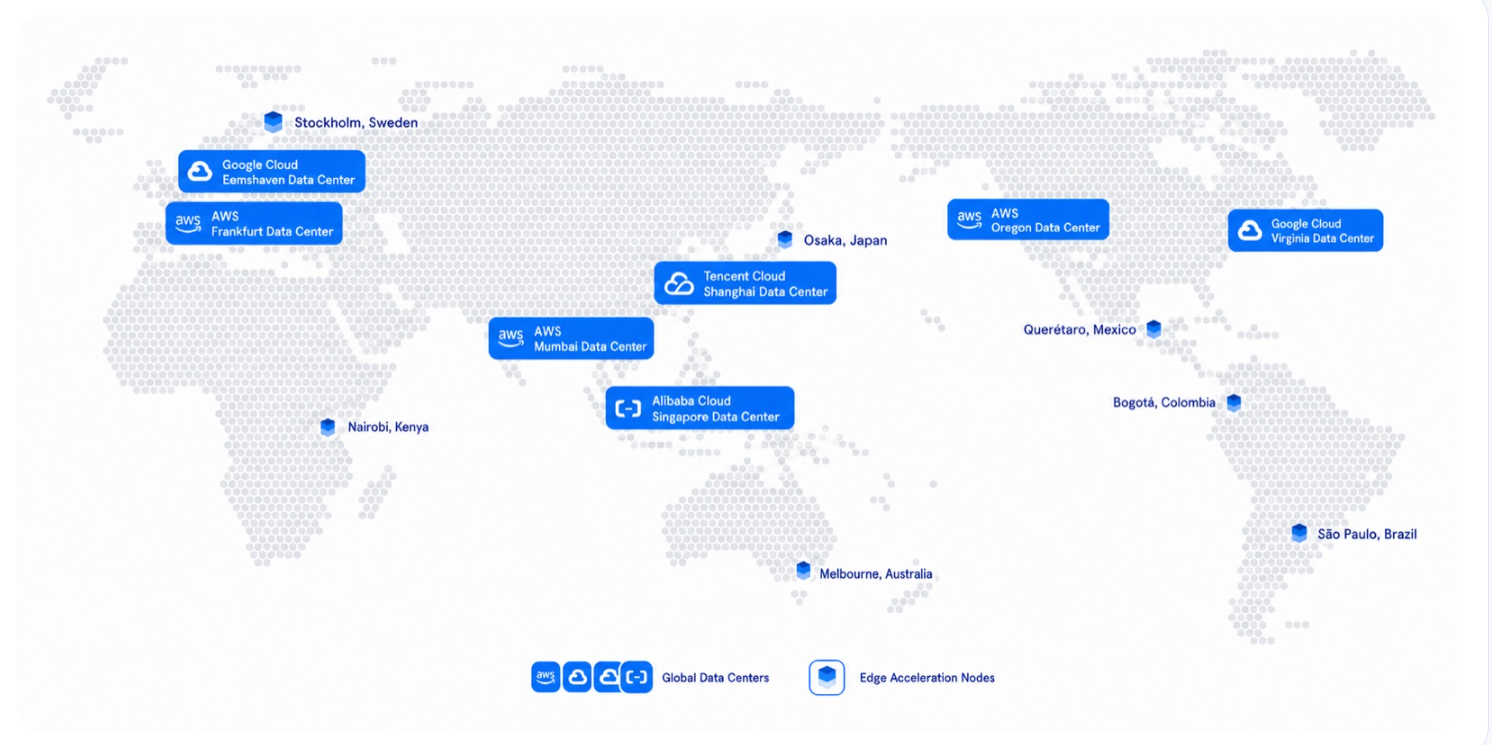
A critical failure point of generic AI toys imported from overseas is conversational latency. When a child speaks, waiting 2 to 4 seconds for a response breaks conversational immersion. Sonora-tech deploys an intelligent distributed cloud architecture utilizing AWS and GCP edge points located in Tokyo (ap-northeast-1) and Osaka (ap-northeast-3).
By executing Automatic Speech Recognition (ASR), LLM contextual inference, and Text-to-Speech (TTS) streaming across localized regional nodes, round-trip ping time for end users in Nagoya is throttled below 380 milliseconds. This yields instantaneous, human-like verbal cadence matched to Japanese speech intonation.
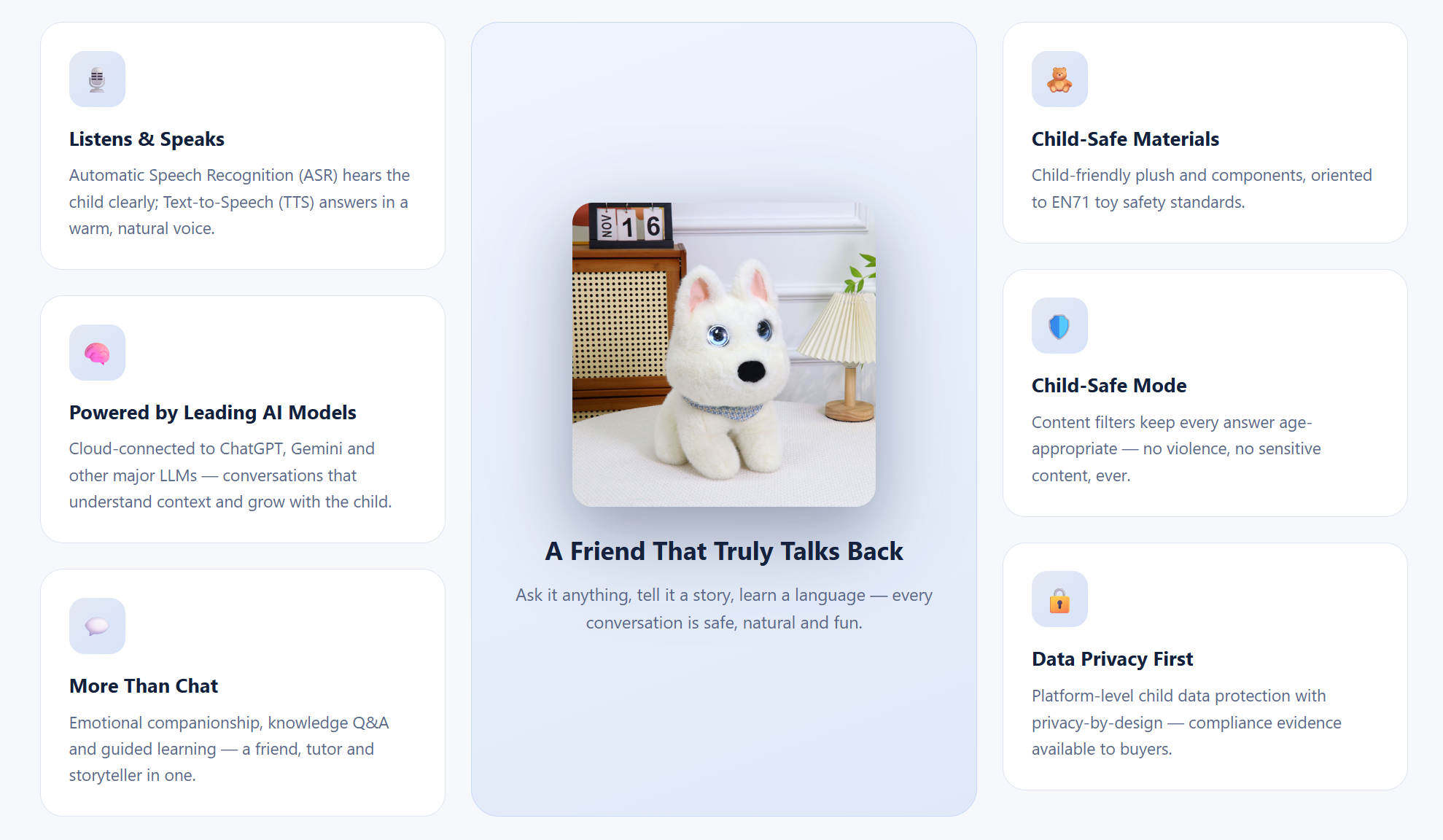
End-to-End Smart Module Integration & Global Network Nodes
A transparent look into the engineering and cloud infrastructure behind our intelligent, cloud-connected conversational plush line.
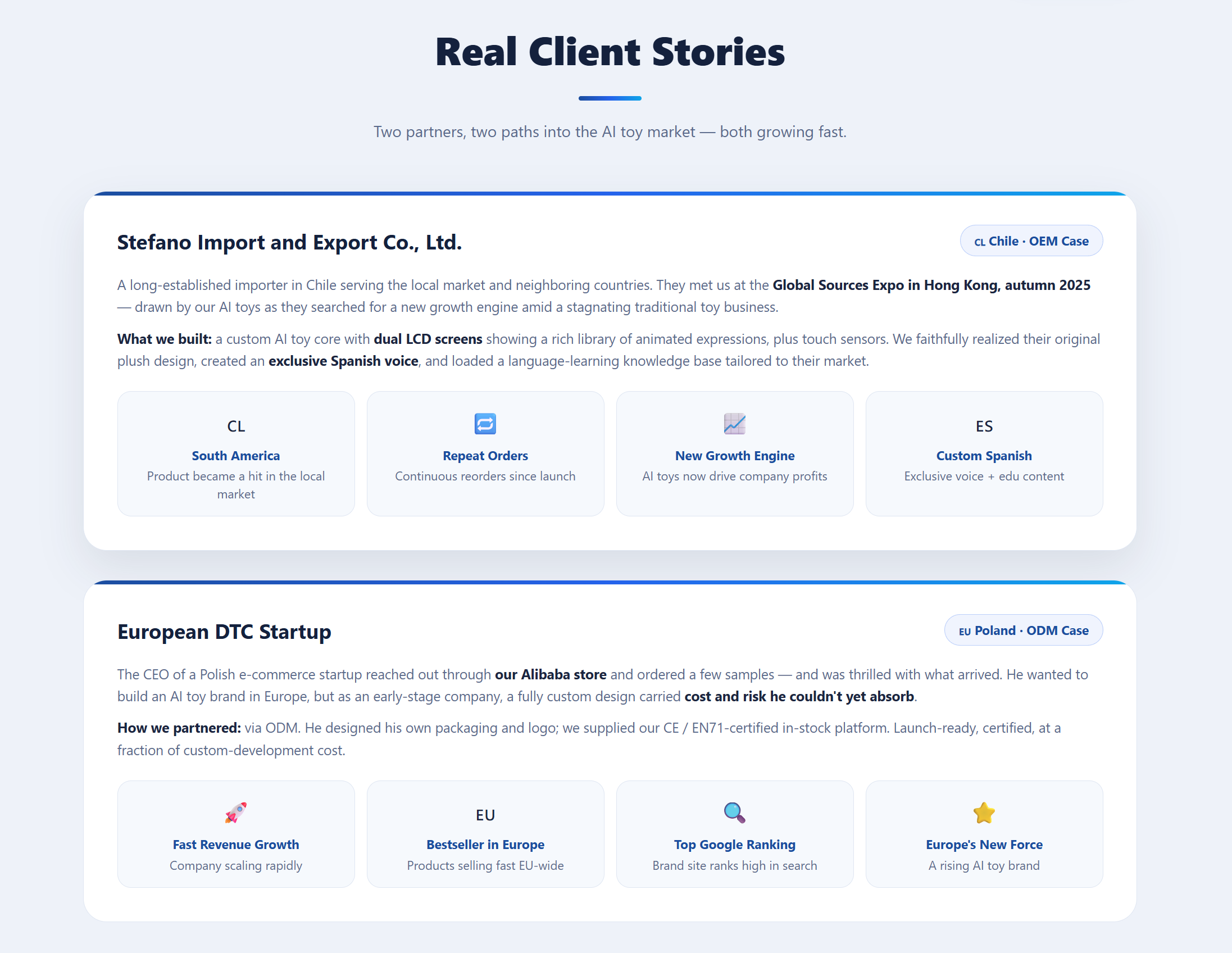
Core Enterprise Capabilities Built for Professional B2B Importers
Decades of combined hardware manufacturing expertise, export logistics proficiency, and verified credibility backed by international third-party audits.
Frequently Asked Questions: Sourcing AI Learning Toys for Nagoya
Direct technical and operational answers to address import customs, minimum run sizes, acoustic testing, and Japanese firmware localization.